
Pest Control Emigration Canyon

Pest Control in Emigration Canyon Utah

Emigration Canyon is a world apart from the valley below. Winding through the Wasatch Range east of Salt Lake City, this narrow canyon is lined with rustic cabins, historic pioneer structures, and seasonal homes tucked into the oak and maple forest. The pest challenges here are driven by the canyon’s wild surroundings — deer and elk browse through properties, raccoons den under decks, pack rats infest outbuildings, and the dense tree canopy shades homes year-round, creating constant moisture and harborage. Serve Pest Control treats Emigration Canyon differently than anywhere else because the canyon’s ecosystem doesn’t follow suburban pest rules. What works in the valley won’t work at 6,000 feet in a wooded canyon.

Process for Emigration Canyon Properties

Eaves

We sweep out and knock down any honeycombs and cobwebs in the eaves up to 35 ft.

Entry Points

We treat every entry point of the home on the ground level including doors, windows, and the garage.

Foundation

Also known as the “crack and crevice” treatment. Our power sprayer will seal up any open spaces along the foundation of the home, giving pests no chance of entering the home from the ground.

Yard Granule

Our technicians will walk around the perimeter of your home, spreading a granule that will sink deep into the soil, providing a 15ft barrier from the foundation into the yard.

Spot Treatment

Every house is different. If you have pests in a strange area on your property, let us know and we will service the requested area.

Fence Line Perimeter

We won't just protect your house, we'll protect your property by setting a fence line perimeter.

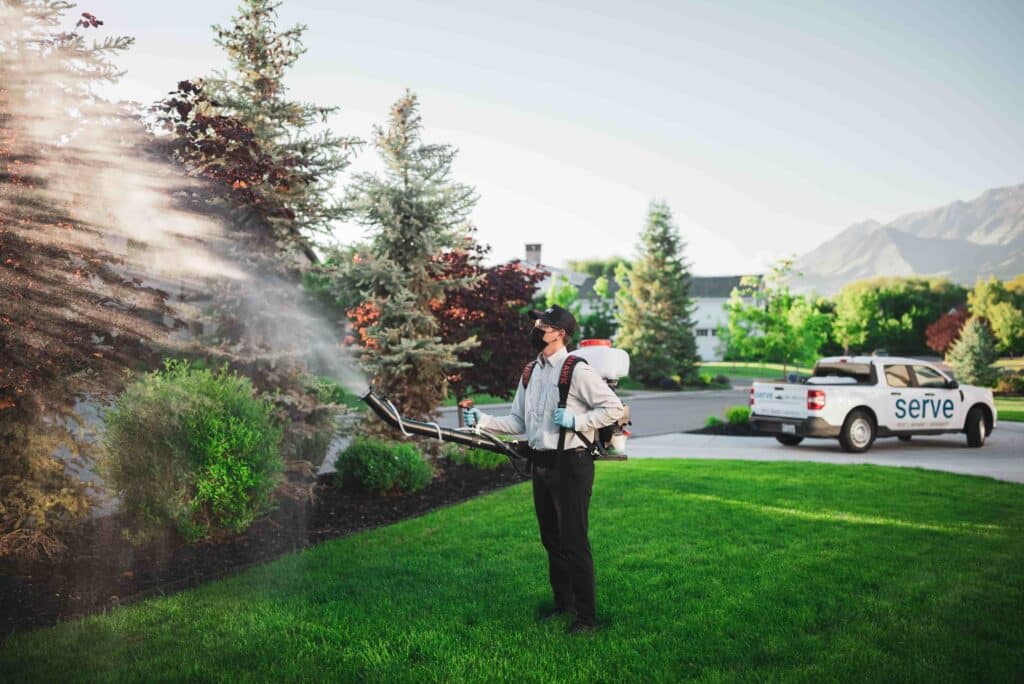
residential pest services process in utah
Pest Control in Lehi Utah

Emigration Canyon pests are different. Serve Pest Control brings canyon-proven methods to every cabin and home!

Emigration Canyon properties demand a completely different approach. We start by evaluating the wild-to-human interface — how close is the tree line to your home? Are there rock walls or wood piles that harbor rodents? Is your crawl space open to the canyon floor? Most of our canyon clients have seasonal cabins, which means treatments must be timed around occupancy and weather access. We use exclusion-focused methods because sealing gaps is the single most effective thing you can do in a heavily wooded canyon. Poison baits that work in controlled suburban settings can create risks for canyon wildlife, so we rely on mechanical traps, sealing, and habitat modification. Our team knows which canyon roads are passable after storms and which properties need summer-only access routes. Emigration Canyon is special — we treat it that way.

Pests Commonly Found in Emigration Canyon

62aab2111b73a3c5e7905274_Group-34528
Ants

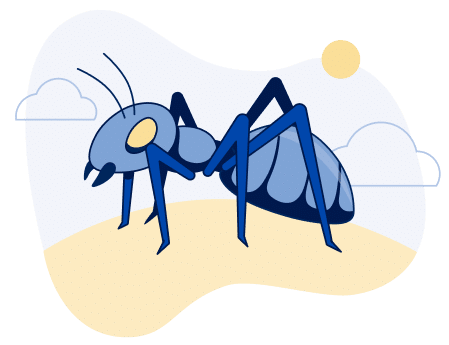
Carpenter ants and moisture ants thrive in Emigration Canyon’s forested environment. Carpenter ants target any wood with moisture exposure — cabins, decks, sheds, and even woodpiles. Regular structural inspections are critical because a carpenter ant colony can quietly damage a cabin over several seasons without obvious signs.

62aab1817e39c847d33e4656_Group-34524
Spiders

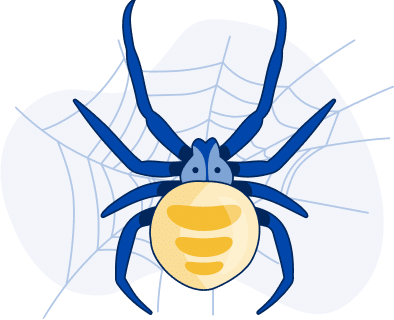
Hobo spiders and wolf spiders are very common inside Emigration Canyon cabins. The shaded, damp environment supports large insect populations that spiders feed on. Sealing gaps around log joints, window frames, and foundation vents dramatically reduces spider entries from the surrounding forest floor.

cockroaches
Cockroaches

German cockroaches are rare in Emigration Canyon due to the dry interior climate of most cabins, but they can be introduced through grocery deliveries or luggage. Oriental cockroaches, which tolerate cooler damp conditions, occasionally appear in basements and crawl spaces near the creek.

rodents
Rodents

Deer mice, pack rats, and occasionally wood rats are the primary rodent threats in Emigration Canyon. Pack rats are particularly destructive — they build large nests in attics, vehicle engines, and outbuildings using collected debris. Aggressive exclusion before winter is essential for every canyon property.

Termites

Subterranean termites are uncommon at Emigration Canyon’s elevation, but dampwood termites can be found in logs, stumps, and firewood with prolonged ground contact. Keeping firewood elevated and away from cabin foundations is the simplest prevention.

bedbugs
Bed Bugs

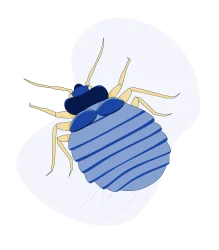
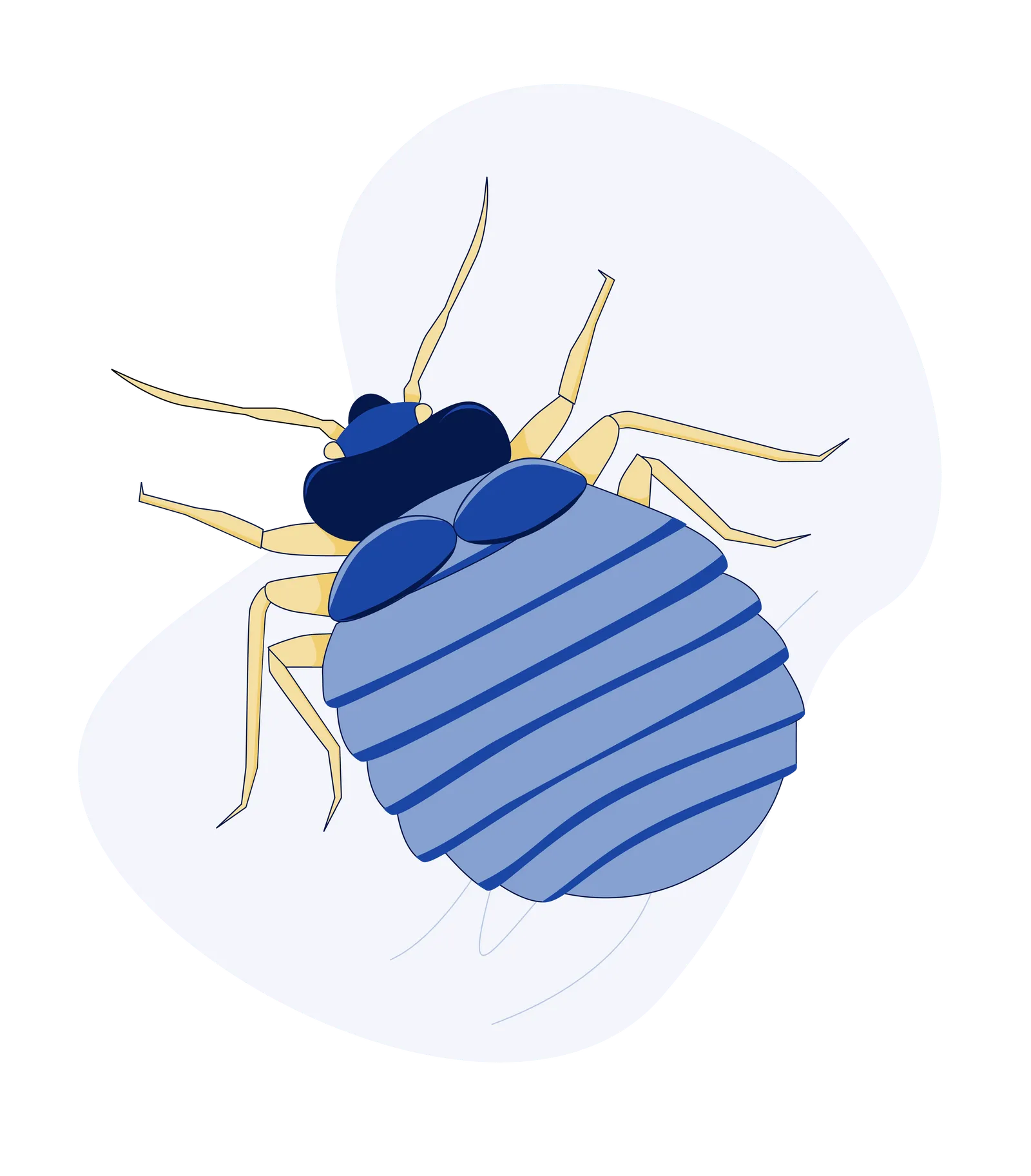
Bed bugs appear in Emigration Canyon through travel — cabin guests bring them from hotels and homes across the country. Seasonal cabins that sit empty for weeks between visits can allow bed bug populations to grow unnoticed. We recommend heat treatment for any confirmed case in a canyon rental.

Emigration Canyon's Trusted Pest Control Specialists

There’s no place quite like Emigration Canyon, and pest control here requires a specialist’s touch. You can’t treat a canyon cabin the same way you’d treat a suburban Salt Lake home — the ecology is different, the wildlife is different, and the construction is different.

We’ve spent years learning the canyon’s rhythms. Spring brings ants and spiders emerging from their winter dormancy. Summer sees peak insect activity and the start of rodent preparation for winter. Fall is a race against time — we seal every possible entry before the first snow closes the canyon roads. Winter access is limited to plowed-through routes, but we maintain monitoring for year-round residents.

Our Emigration Canyon clients often tell us they appreciate that we don’t just spray and leave. We walk the property, point out vulnerabilities, and explain the priority order for fixing them. Many of our canyon relationships began as a single service and turned into yearly seasonal plans because property owners saw the difference a thorough approach makes.

If you own a home or cabin in Emigration Canyon, you already know it’s special. Serve Pest Control is here to keep it pest-free without compromising the natural beauty that brought you here.

FAQs

How do pack rats get into Emigration Canyon cabins and what damage do they cause?
Pack rats enter through surprisingly small gaps — any opening larger than half an inch is enough. In Emigration Canyon, they commonly come in through gaps where utility lines enter the foundation, through uncapped attic vents, and through spaces around old window frames. Once inside, they build large nests using leaves, twigs, insulation, and any soft material they can carry. They chew electrical wiring, gnaw on wood beams, and contaminate insulation with droppings and urine. A single active pack rat in an attic can cause thousands of dollars in damage in one season. That’s why we focus so heavily on exclusion for canyon properties.
What's the most important thing I can do to protect my Emigration Canyon cabin from pests?
Exclusion work in late summer — August through September — is the single highest-impact step you can take. Seal every opening around pipes, vents, window frames, and foundation penetrations with steel wool, copper mesh, or expanding foam that’s labeled for pest exclusion. Install weather stripping on doors that are used infrequently. Cap your chimney and attic vents with heavy-gauge mesh. These steps alone eliminate 80 to 90 percent of rodent problems in canyon cabins. We offer a full exclusion service that covers all of this in one visit.
Should I worry about raccoons or other larger wildlife in Emigration Canyon?
Raccoons, skunks, and occasionally foxes are active in Emigration Canyon, especially near the creek corridor and in properties with fruit trees, gardens, or unsecured trash. Raccoons can cause significant damage by tearing through attic vents, chimney caps, and crawl space screens to den. We handle nuisance wildlife differently from routine pest control — we’ll identify entry points, humanely trap and relocate when needed, and then permanently seal the access so it doesn’t happen again. Prevention through proper securing of trash bins and removing food sources is the best long-term strategy.
My cabin sits empty for weeks at a time. What pest problems should I expect between visits?
Seasonal cabins in Emigration Canyon are at higher risk for unchecked pest activity because no one is there to spot the early signs. We see three recurring issues: (1) mice and pack rats establish nests in the absence of human activity and noise; (2) ants find their way into kitchens where crumbs were left behind; and (3) moisture issues from leaky roofs or pipes go unnoticed and attract wood-destroying insects. We recommend passive monitoring — placing glue boards in key areas and rodent bait stations outside — and a mid-season inspection check if the cabin sits empty for more than six weeks.

Still have questions?