Pest Control in Holladay Utah

Holladay is one of the most established communities on Salt Lake’s east bench, and that history shows in every block. The mature trees — many over fifty years old — create a dense canopy that shades homes and yards year-round. The older homes, many built in the 1950s and 60s, have character you won’t find in newer subdivisions: large basements, original window wells, expansive crawl spaces, and foundations that have settled over decades. That age and character also means more pathways for pests. Serve Pest Control has been treating Holladay homes for years. We know which neighborhoods along Mill Creek have the most rodent pressure, which older homes need extra attention around their original foundations, and how to work around the beautiful but pest-friendly landscaping that makes Holladay so special.

Process for Holladay Homes

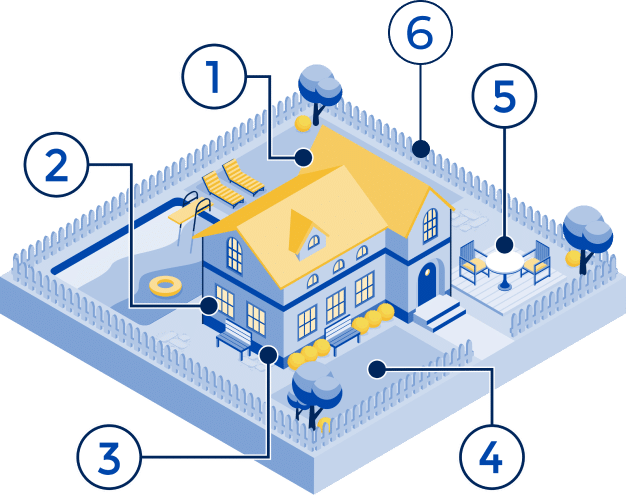
Eaves

We sweep out and knock down any honeycombs and cobwebs in the eaves up to 35 ft.

Entry Points

We treat every entry point of the home on the ground level including doors, windows, and the garage.

Foundation

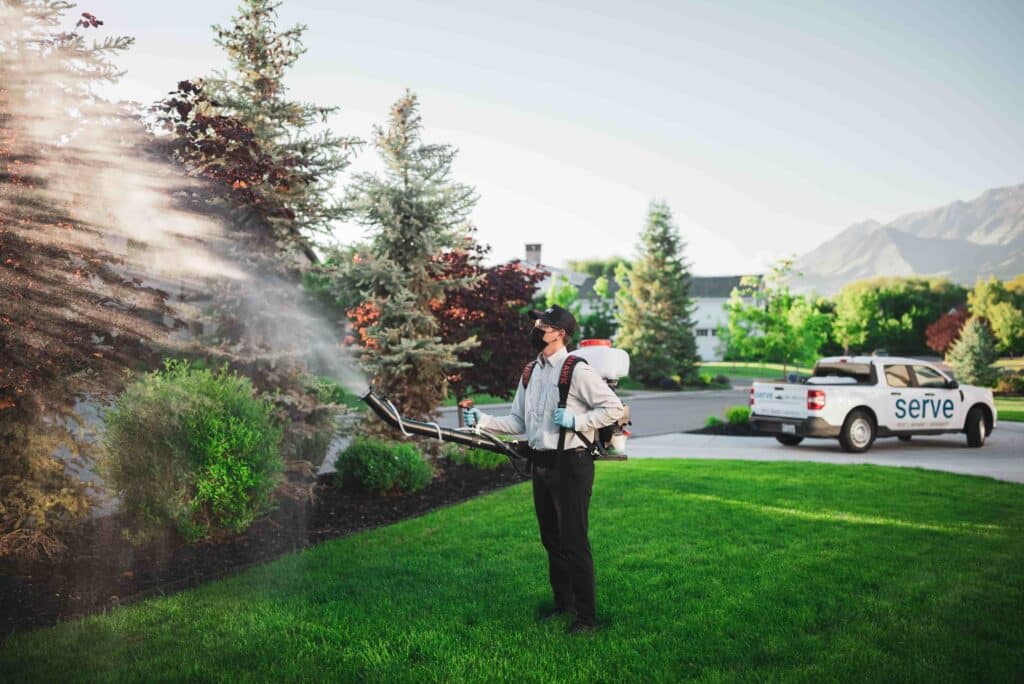
Also known as the “crack and crevice” treatment. Our power sprayer will seal up any open spaces along the foundation of the home, giving pests no chance of entering the home from the ground.

Yard Granule

Our technicians will walk around the perimeter of your home, spreading a granule that will sink deep into the soil, providing a 15ft barrier from the foundation into the yard.

Spot Treatment

Every house is different. If you have pests in a strange area on your property, let us know and we will service the requested area.

Fence Line Perimeter

We won't just protect your house, we'll protect your property by setting a fence line perimeter.
residential pest services process in utah
Pest Control in Lehi Utah

Holladay's charm is in its trees and history — but pests love them too. Serve Pest Control protects your home without compromise!

Holladay homes require a careful, thorough approach. The mature landscaping that makes this neighborhood so beautiful also provides ideal harborage for pests — thick ground cover, stacked firewood beneath tall trees, old retaining walls with gaps, and irrigation systems that keep everything lush and moist. We inspect every potential entry point, from basement window wells that collect leaves and moisture to attic vents obscured by overhanging branches. For Holladay’s older homes with original masonry foundations, we use sealants and exclusion materials that are effective but won’t damage the historic character. For properties near Mill Creek and Cottonwood Creek, we add extra rodent attention because those waterways create natural pest corridors. Our Holladay service is built around the reality that a fifty-year-old home with mature landscaping needs a different plan than a new build.

Pests Commonly Found in Holladay

62aab2111b73a3c5e7905274_Group-34528
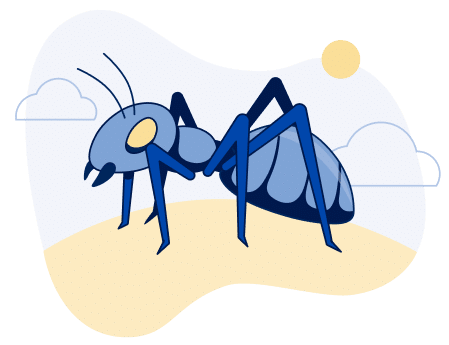
Ants

Moisture ants and pavement ants are the most common ant species in Holladay. Moisture ants thrive in the damp conditions created by Holladay’s heavy tree canopy and frequent irrigation. They nest in rotting wood, under mulch, and in overwatered lawns. Correcting moisture issues and applying targeted baits is the most effective approach.

62aab1817e39c847d33e4656_Group-34524
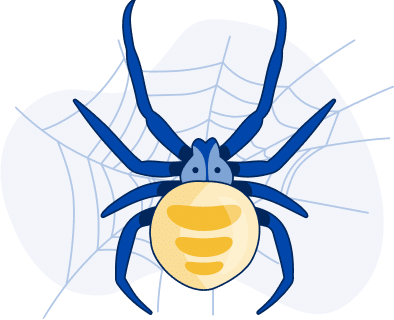
Spiders

Black widow spiders and hobo spiders are very common in Holladay. The mature landscaping with its rock walls, stacked wood, and dense ground cover provides ideal habitat. Black widows in particular favor the undisturbed corners of Holladay’s large basements and attached garages. Regular web removal and exclusion are essential.

cockroaches
Cockroaches

German cockroaches appear in Holladay primarily through multi-unit housing and older apartment buildings. Some of Holladay’s mid-century duplexes and fourplexes have shared walls that allow cockroaches to travel between units. Coordinated treatment with gel baits and growth regulators yields the best results.

rodents
Rodents

Norway rats and house mice are significant issues in Holladay. The creeks — Mill Creek and Cottonwood Creek — provide year-round water and travel corridors for rats. Older homes with original foundations, window wells, and unsealed utility penetrations are especially vulnerable. Aggressive exclusion work is critical.

Termites

Subterranean termites are active in parts of Holladay, particularly in homes where wood siding, porches, or decks are in contact with the ground. The mature landscaping keeps soil consistently moist near foundations. Annual inspections and in-ground bait stations provide the best protection.

bedbugs
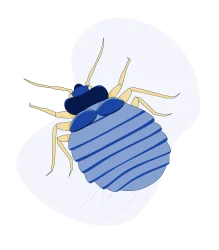
Bed Bugs

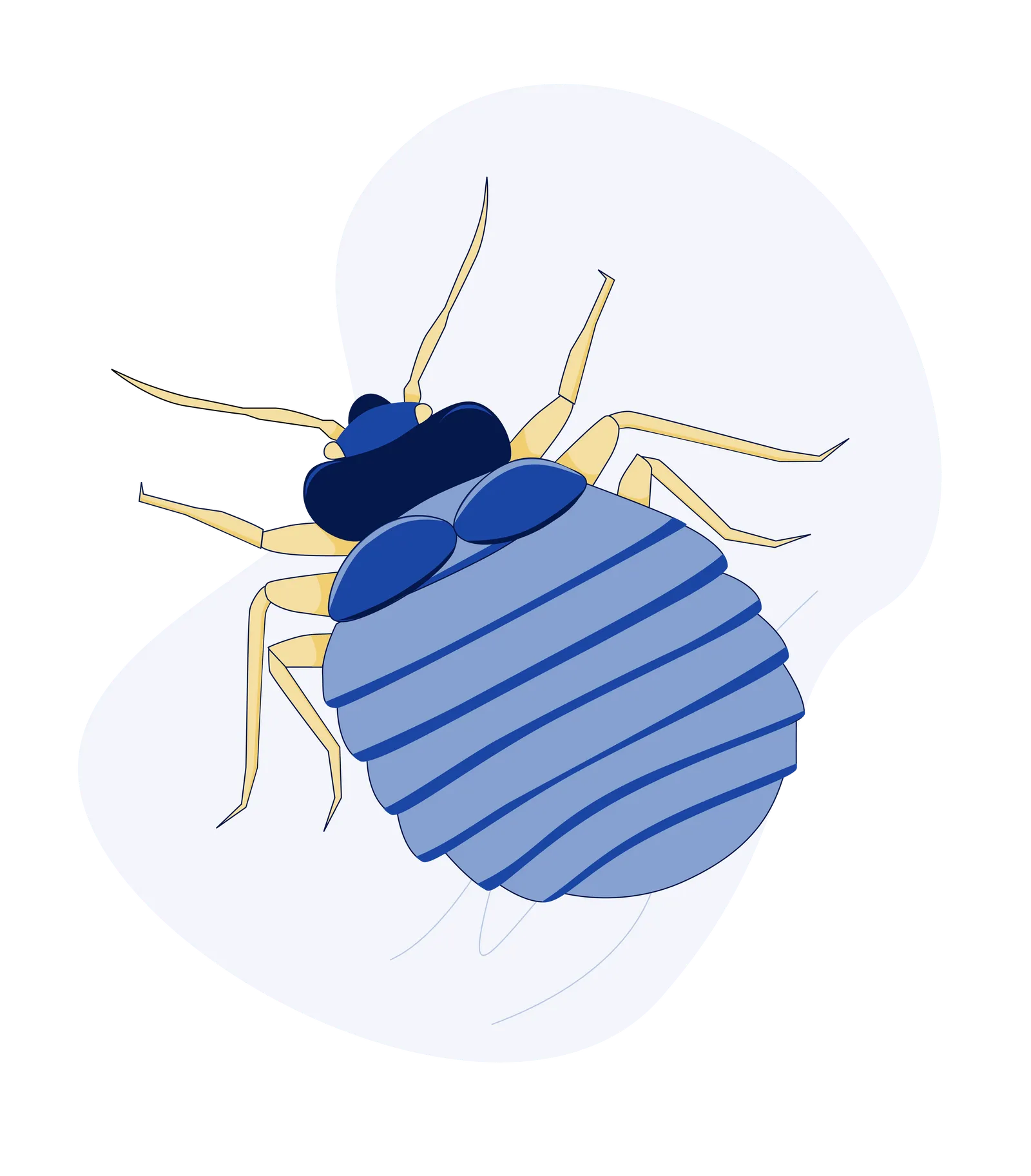
Bed bugs in Holladay are most commonly reported through travel and multi-unit housing. The city’s central location and mix of housing types means exposure is moderate. Early detection with interceptors and fast heat treatment for confirmed cases is our standard protocol.

Holladay's Neighborhood Pest Control Experts

Holladay is one of those rare places where people stay for decades. The same families live on the same streets for generations. And over all those years, we’ve been the ones they call when pests show up.

We know the quirks of Holladay’s housing. We know which 1950s ramblers have the original basement window wells that collect leaves and need regular clearing. We know which mid-century ranches have crawl spaces with dirt floors that need seasonal monitoring. We know which properties along the creek need monthly rodent station checks during the fall migration.

What our Holladay clients appreciate most is our attention to detail. We don’t rush through a service. We walk the full property, check every potential entry point, and leave behind a detailed summary of what we found and what we recommend. If something needs attention between visits, we expect you to call us and we respond promptly.

Holladay has earned its reputation as one of Salt Lake Valley’s finest communities. We’re proud to help keep it that way, one pest-free home at a time.

FAQs

My Holladay home was built in the 1950s. What pest problems come with that era of construction?
Homes from the 1950s and 60s in Holladay share common vulnerabilities: original single-pane basement windows with wood frames that rot and gap over time; crawl spaces with dirt floors and no vapor barrier, creating constant moisture that attracts ants and silverfish; foundations that have settled, creating gaps at the sill plate; and attic vents with original screening that has corroded. We inspect each of these areas on every service and prioritize repairs based on risk level. Many of these homes have never had a professional pest exclusion, and the first visit often reveals decades of accumulated entry points.
How do the creeks in Holladay affect rodent pressure?
Mill Creek and Cottonwood Creek are essentially rodent superhighways. The water, vegetation, and cover they provide support dense populations of Norway rats and mice. Properties within 200 feet of the creek corridor experience significantly higher rodent pressure, especially in fall when the vegetation dies back and rodents seek indoor shelter. We recommend quarterly bait station maintenance for creek-adjacent properties, plus a thorough exclusion inspection every spring and fall.
What can I do about the moisture in my Holladay basement that's attracting pests?
Holladay’s high water table and mature landscaping create chronic moisture issues in many basements. Start by ensuring downspouts extend at least six feet from the foundation and that the ground slopes away from the house. Check that your crawl space or basement has adequate ventilation and consider installing a vapor barrier if you have a dirt-floor crawl space. Address any leaking pipes or condensation on cold water lines. Once the moisture source is addressed, our treatments become much more effective at controlling the moisture-loving insects that were attracted in the first place.
I have large trees overhanging my Holladay home. Is that a pest risk?
Yes — overhanging branches provide direct access for squirrels, raccoons, and ants to your roof, attic, and eaves. Squirrels can gnaw through attic vents in a single afternoon. Ant colonies in trees can use branches as bridges to your roofline. We recommend trimming any branches that come within six feet of your roofline and keeping tree trunks at least three feet from the structure. This simple maintenance step, combined with our regular service, dramatically reduces pest entry from the canopy.

Still have questions?