Pest Control Cedar Fort

Pest Control in Cedar Fort Utah

Cedar Fort is one of Utah County’s hidden corners — a small, quiet agricultural community west of Utah Lake with deep pioneer roots. The pace of life here is slower, the lots are larger, and the pest challenges are distinctly rural. Field rodents from the surrounding farmlands push into homes every fall. Ant colonies thrive in the dry, open soil. Black widows set up in every barn, shed, and outbuilding. There are no cookie-cutter suburban pest solutions here — Cedar Fort needs a rural approach, and that’s exactly what Serve Pest Control delivers. We treat farmhouses, outbuildings, and everything in between with respect for Cedar Fort’s unique character and the hardworking families who call it home.

Process for Cedar Fort Properties

Eaves

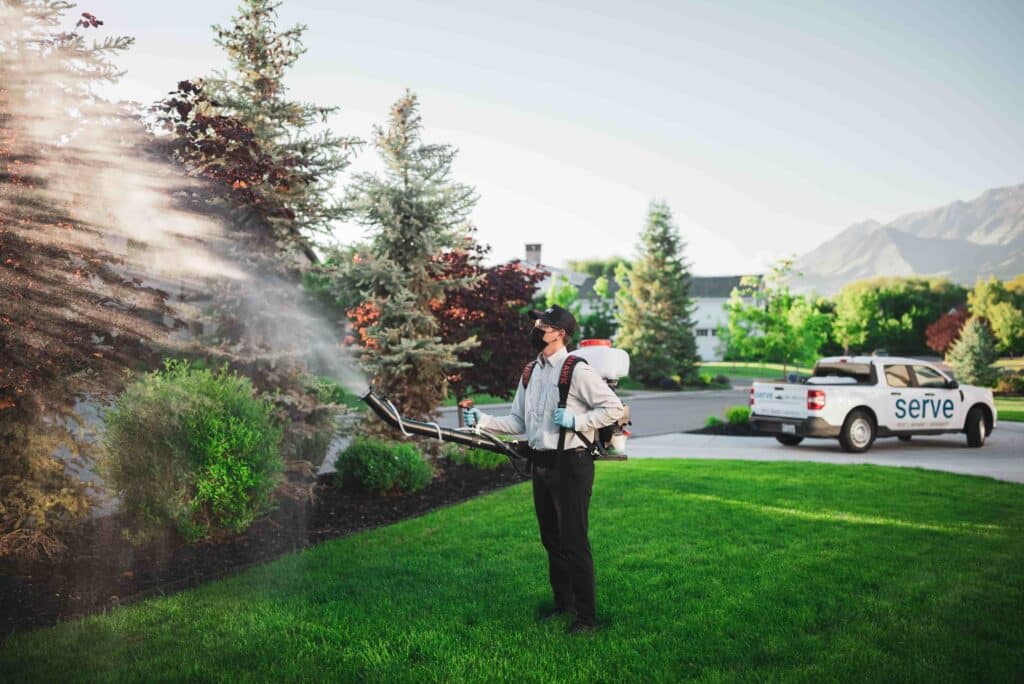
We sweep out and knock down any honeycombs and cobwebs in the eaves up to 35 ft.

Entry Points

We treat every entry point of the home on the ground level including doors, windows, and the garage.

Foundation

Also known as the “crack and crevice” treatment. Our power sprayer will seal up any open spaces along the foundation of the home, giving pests no chance of entering the home from the ground.

Yard Granule

Our technicians will walk around the perimeter of your home, spreading a granule that will sink deep into the soil, providing a 15ft barrier from the foundation into the yard.

Spot Treatment

Every house is different. If you have pests in a strange area on your property, let us know and we will service the requested area.

Fence Line Perimeter

We won't just protect your house, we'll protect your property by setting a fence line perimeter.

residential pest services process in utah
Pest Control in Lehi Utah

Cedar Fort is rural Utah County — and the pests here play by different rules. Serve Pest Control brings farm-proven solutions!

Treating a Cedar Fort property starts with understanding the full scope of the land. We don’t just treat the house — we treat the barn, the sheds, the chicken coop, and any other structures on the property, all included in a single price. We focus heavily on rodent exclusion because the surrounding farmlands support dense field rodent populations. We bait around the perimeter of all structures, seal foundation gaps on the main home, and provide practical advice on managing pest pressure from hay storage, animal feed, and irrigation. Our Cedar Fort clients appreciate that we understand rural life and don’t try to sell them suburban solutions that won’t work in their environment.

Pests Commonly Found in Cedar Fort

62aab2111b73a3c5e7905274_Group-34528
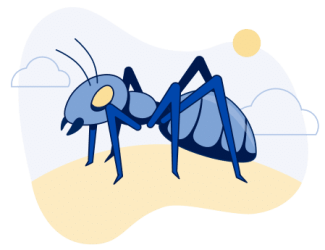
Ants

Pavement ants and field ants are the dominant ant species in Cedar Fort. Field ants build large mounds in pastures and open fields and can deliver a painful bite when disturbed. Their colonies can be extensive in agricultural soil. Granular baits spread across the property perimeter provide the most effective control.

62aab1817e39c847d33e4656_Group-34524
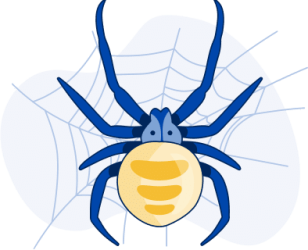
Spiders

Black widow spiders and wolf spiders are very common on Cedar Fort properties. Black widows are found in every barn, shed, and outbuilding — they thrive in the undisturbed corners of rural structures. Wolf spiders enter homes at ground level from the surrounding fields. Regular web removal and sealing of gaps around doors and foundations are essential.

cockroaches
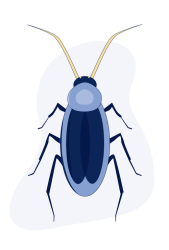
Cockroaches

German cockroaches are uncommon in Cedar Fort’s primarily single-family rural setting but can be introduced through grocery deliveries or secondhand items. Oriental cockroaches, which tolerate cooler outdoor conditions, occasionally appear in basements and crawl spaces.

rodents
Rodents

Field mice and Norway rats are the most significant pest concern in Cedar Fort. The surrounding agricultural fields, irrigation ditches, and outbuildings provide abundant food and shelter for rodent populations that intensify pressure on homes every fall. Aggressive year-round baiting and fall exclusion are essential.

Termites

Subterranean termites are present in Cedar Fort at lower levels than the eastern Utah County foothills. However, older farmhouses with wood-to-ground contact and outbuildings with untreated wood framing are still at risk and should be inspected annually.

bedbugs
Bed Bugs

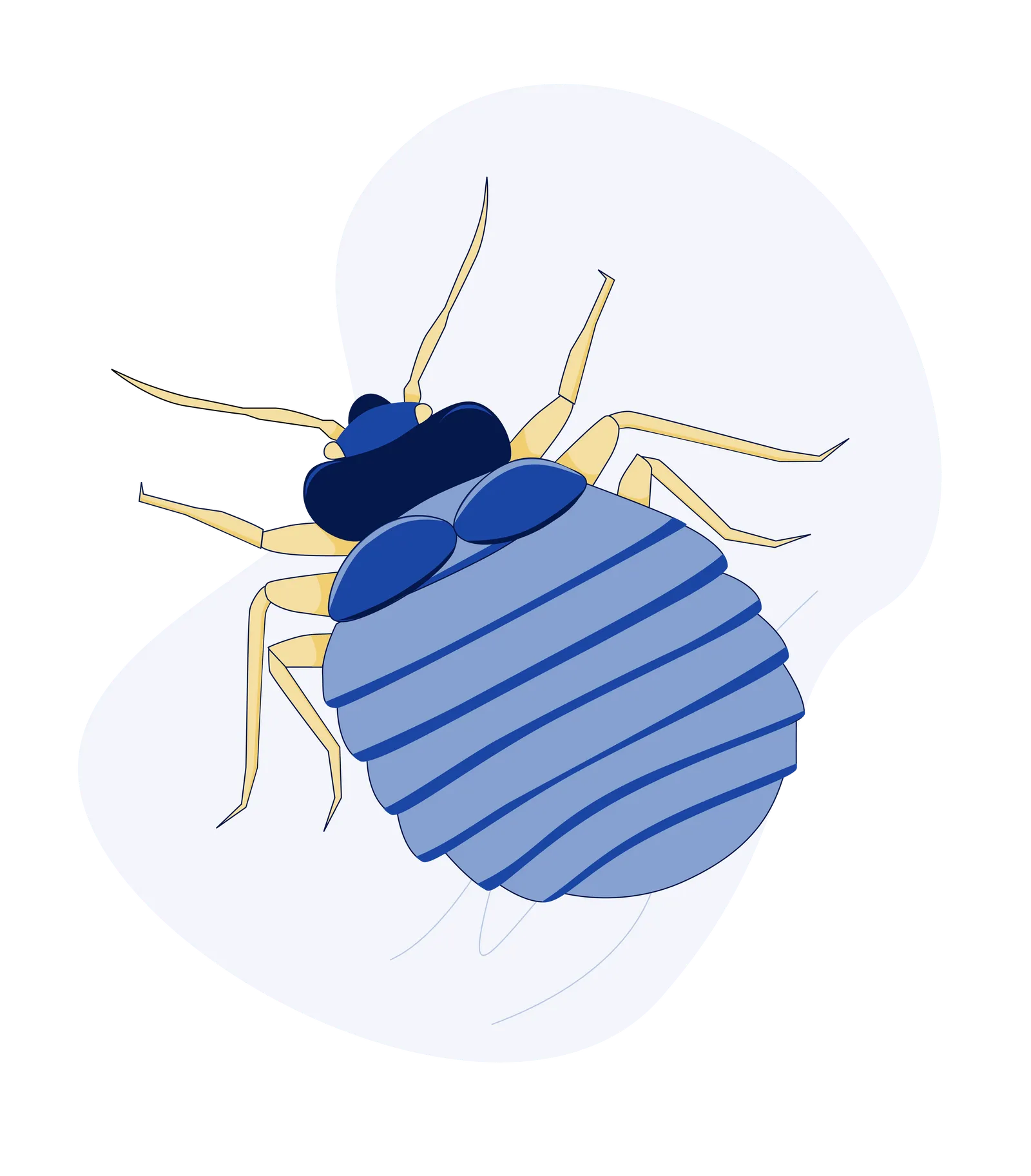
Bed bugs in Cedar Fort are typically introduced through travel or secondhand furniture purchases. The town’s rural character means lower exposure than urban areas, but vigilance is still important. We offer thorough inspections and fast heat treatment for confirmed cases.

Cedar Fort's Rural Pest Control Team

Cedar Fort isn’t like the suburbs east of I-15, and we don’t treat it that way. This is a farming community with deep roots, and the pest challenges here are the kind you only learn by working the land yourself.

Field rodents are the biggest story in Cedar Fort. Every fall, as the fields are harvested or go dormant, mice and rats leave the open land and seek shelter in the nearest warm structures — your home, your barn, your shed. The key is to intercept them with exterior bait stations before they find a way inside, and to seal every potential entry point on the house before the first cold snap.

We also understand that in a rural community, every structure on your property matters. We treat the whole property as one unit at one price. No extra charges for the barn, the workshop, or the coop. Pests don’t respect building boundaries, and neither do our treatments.

Cedar Fort is a special place with a proud agricultural heritage. Serve Pest Control is here to keep it pest-free, one farmstead at a time.

FAQs

I live on a working farm in Cedar Fort. How do I keep rodents from overwhelming my property?
Start with exterior bait stations placed around every structure on your property — the house, barn, sheds, and any outbuildings — spaced at 30-foot intervals. Place them in active locations near foundation walls and potential entry points. Seal the foundation of your home — every gap larger than a pencil — with copper mesh. Keep stored grain and animal feed in sealed metal containers, not bags. Remove debris piles, stacked lumber, and overgrown vegetation that provide rodent harborage. And maintain a 3-foot clear zone around the foundation of every building. These steps, combined with our quarterly service, will keep rodent populations manageable even on an active farm.
What's the biggest difference between pest control in Cedar Fort and in the suburbs?
Scale and species. In Cedar Fort, you’re dealing with field rodents from the surrounding agricultural land, not just the occasional house mouse. The pest pressure is higher, the properties are larger, and the number of structures to protect is greater. You also have different ant species — field ants instead of just pavement ants — and different spider dynamics because of the open land. A suburban spray-and-go approach won’t cut it here. You need perimeter bait stations, structure-by-structure evaluation, and a plan that accounts for the whole property.
Are black widows really that common in rural outbuildings?
Yes — black widows thrive in barns, sheds, and outbuildings because these structures provide undisturbed corners, consistent temperatures, and abundant insect prey. We find them routinely in tack rooms, under workbenches, around stored equipment, and in the eaves of old barns. We treat these areas during every service and recommend wearing gloves when reaching into undisturbed corners or moving stored items. Regular service dramatically reduces black widow populations, but they’re a fact of life in rural Utah County, and complete elimination isn’t realistic — management is the goal.
What pest control schedule works best for a Cedar Fort property?
We recommend quarterly service with an emphasis on the fall treatment. Spring and summer focus on ants, spiders, and initial perimeter rodent baiting. The fall visit (August-September) is the most important — it’s when we seal the house, refresh all bait stations, and prepare for the rodent migration. Winter service maintains bait stations and monitors for any issues that arise. Cedar Fort properties on this schedule stay ahead of the pest pressure that comes with living in an agricultural area.

Still have questions?