Pest Control Cottonwood Heights

Pest Control in Cottonwood Heights Utah

Cottonwood Heights sits right where the Wasatch Front meets the canyons, and that location creates a pest profile unlike anywhere else in the valley. With Big Cottonwood Canyon on one side and Little Cottonwood Canyon on the other, this city gets wildlife and pest pressure from both the mountains and the suburbs. Deer mice follow the canyon streams down into neighborhood backyards. Ants and spiders flourish in the irrigated landscaping. Serve Pest Control has been serving Cottonwood Heights for years, and we’ve built our approach around this community’s unique position — protecting homes from both canyon-borne invaders and the typical suburban pest issues that come with being one of the valley’s most desirable places to live.

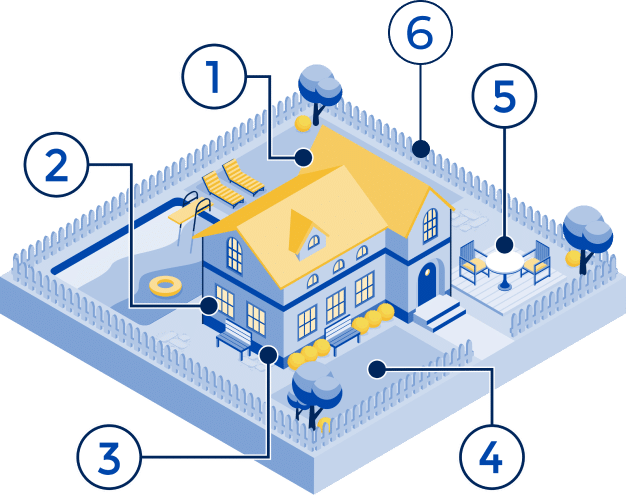
Process for Cottonwood Heights Homes

Eaves

We sweep out and knock down any honeycombs and cobwebs in the eaves up to 35 ft.

Entry Points

We treat every entry point of the home on the ground level including doors, windows, and the garage.

Foundation

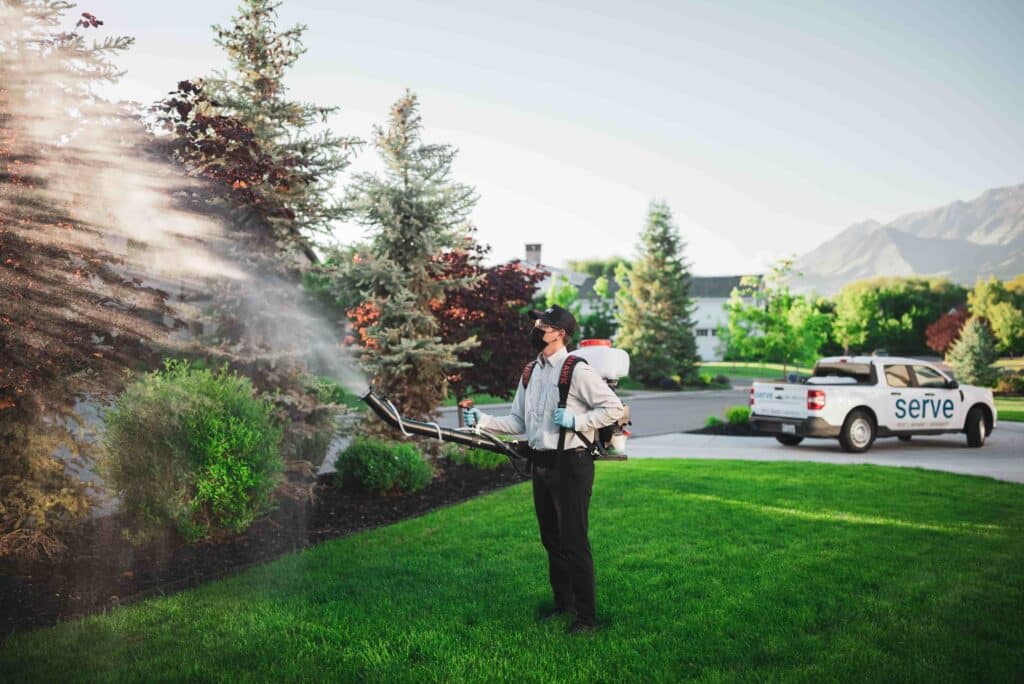
Also known as the “crack and crevice” treatment. Our power sprayer will seal up any open spaces along the foundation of the home, giving pests no chance of entering the home from the ground.

Yard Granule

Our technicians will walk around the perimeter of your home, spreading a granule that will sink deep into the soil, providing a 15ft barrier from the foundation into the yard.

Spot Treatment

Every house is different. If you have pests in a strange area on your property, let us know and we will service the requested area.

Fence Line Perimeter

We won't just protect your house, we'll protect your property by setting a fence line perimeter.
residential pest services process in utah
Pest Control in Lehi Utah

Living in Cottonwood Heights and fighting pests? Serve Pest Control covers every canyon-adjacent home!

At Serve Pest Control, our Cottonwood Heights service starts with understanding exactly where your home sits on the city’s landscape. A house on the east bench near the canyon mouth faces different pest pressure than one in the flatter neighborhoods near 700 East. We look at your property holistically — the landscaping, the proximity to natural areas, the age and construction type of the home, and any history of pest activity. Then we build a plan that addresses your real needs, not a template. We offer flexible quarterly and bi-monthly plans that fit the busy schedules of Cottonwood Heights families. Our treatments are family- and pet-safe, with no harsh lingering smells. And because Cottonwood Heights is so close to our service area, we can respond quickly when something unexpected pops up — because in this part of the valley, canyon wildlife doesn’t always stay in the canyon.

Pests Commonly Found in Cottonwood Heights

62aab2111b73a3c5e7905274_Group-34528
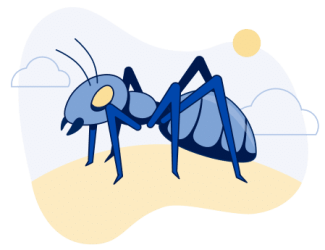
Ants

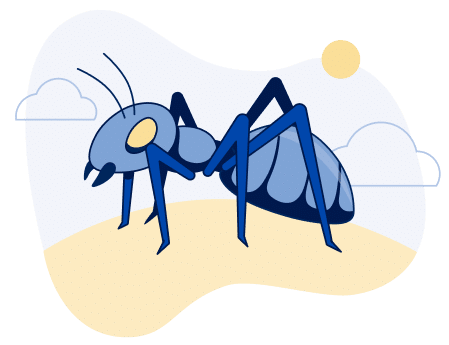
Thatching ants and moisture ants are widespread across Cottonwood Heights. Thatching ants build mounds in lawns and gardens, while moisture ants target areas with damp wood or heavy mulch. Granular baits spread across the lawn and perimeter liquid treatments provide season-long control.

62aab1817e39c847d33e4656_Group-34524
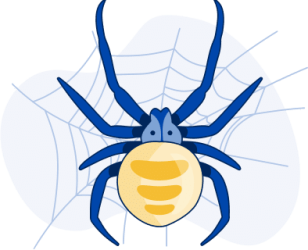
Spiders

Black widow spiders and hobo spiders are commonly found in Cottonwood Heights homes. Black widows favor garages, basements, and stacked firewood — common features in this foothills community. Hobo spiders are often found at ground level near foundation plantings. Regular web removal and sealing ground-level entry points are essential.

cockroaches
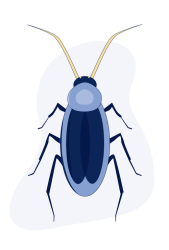
Cockroaches

German cockroaches occur in Cottonwood Heights primarily through multi-unit housing and commercial buildings. The city’s dense suburban development means attached homes share pest pathways. Crack-and-crevice treatments and ongoing monitoring are the standard approach.

rodents
Rodents

Deer mice from the adjacent canyons and house mice from suburban habitats are both significant issues in Cottonwood Heights. Properties near the canyon mouth at the east end of town see more deer mouse pressure, while the western neighborhoods deal more with Norway rats from urban infrastructure. Year-round exclusion monitoring makes the biggest difference.

Termites

Subterranean termites are a real concern in Cottonwood Heights, particularly in homes built on the east bench where soil conditions are favorable. Regular inspections every 12 months and in-ground baiting stations provide the most reliable protection for homeowners.

bedbugs
Bed Bugs

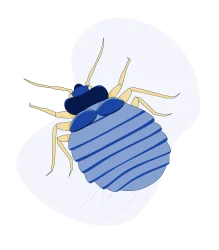
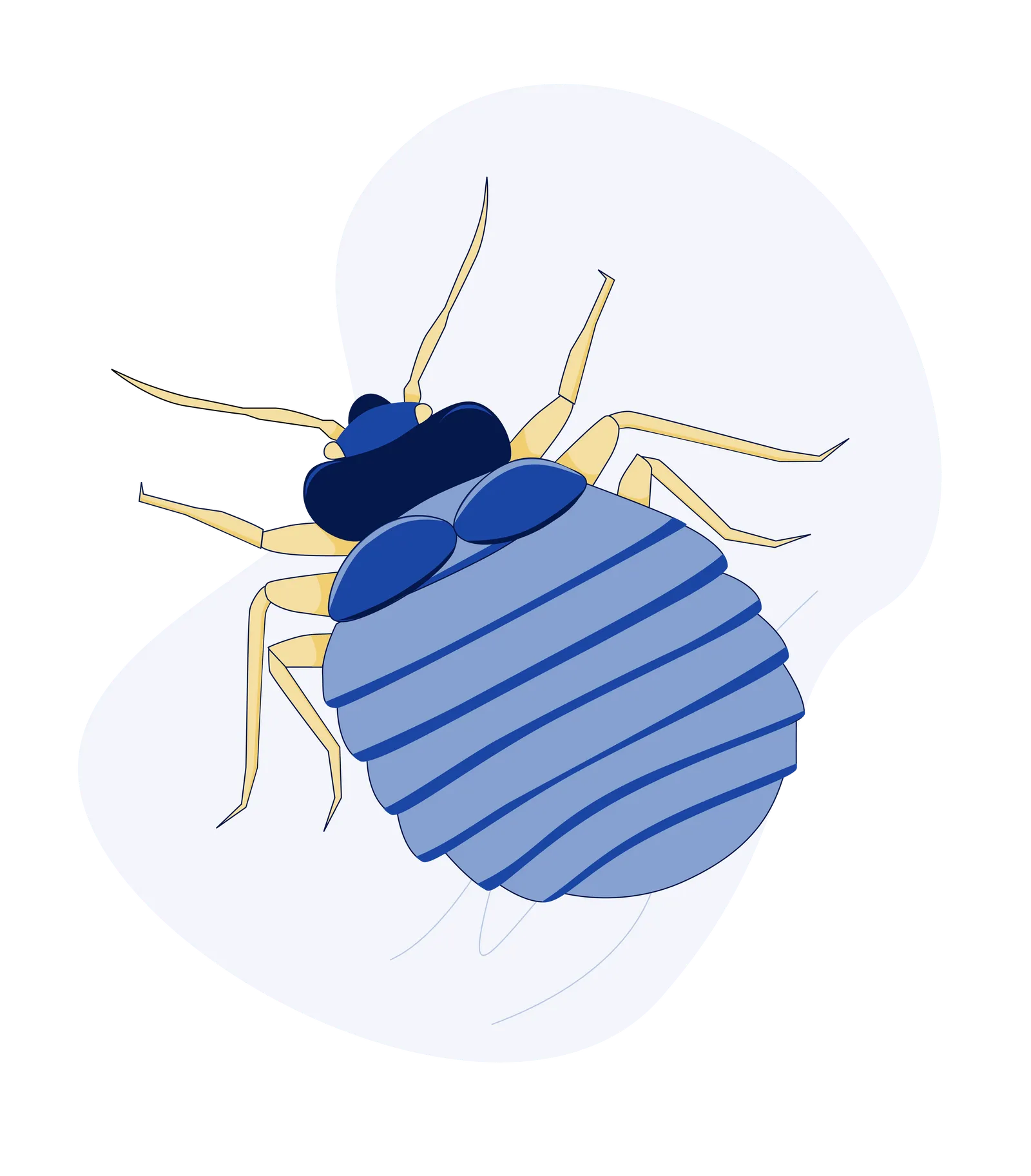
Bed bugs in Cottonwood Heights are most commonly reported in multi-unit dwellings and through travel. We offer thorough inspections with K-9 detection options for larger properties and fast, effective heat treatments for confirmed infestations, all with minimal disruption to your household.

Cottonwood Heights Pest Control You Can Count On

At Serve Pest Control, Cottonwood Heights is one of the communities we know best. We’ve driven these streets for years — from the canyon-side homes on Wasatch Boulevard to the family neighborhoods around Butler Middle School and the new developments filling in the remaining open land. We’ve seen the pest patterns shift with the seasons and watched the city grow, and we’ve grown our expertise right alongside it.

What sets our Cottonwood Heights service apart is simple: we treat properties, not just problems. Instead of showing up to spray and leave, we take the time to understand your home’s specific vulnerabilities. Is there a gap in the foundation where the canyon-side retaining wall meets the house? Are the basement windows properly sealed? Is the attic vent covered with the right mesh to keep out squirrels and mice? These are the details we focus on, because they’re what make the difference between a home that has occasional pest sightings and one that has a full-blown infestation.

We work with families, property managers, HOA boards, and real estate agents in Cottonwood Heights. Whether you’re prepping a home for sale, moving into a new property, or just trying to stay ahead of the pests that come with living near the mountains, we’ve got a solution that fits.

Our Cottonwood Heights clients tell us they appreciate two things: our communication and our thoroughness. We call before we arrive, we explain what we found, and we follow up after the service to make sure everything is going well. And if it’s not, we make it right.

Cottonwood Heights is a wonderful place to call home. Serve Pest Control is here to make sure pests don’t get in the way of that.

FAQs

How does living between Big and Little Cottonwood Canyons affect the types of pests I see in Cottonwood Heights?
Cottonwood Heights occupies a unique geographic position at the mouth of both Big and Little Cottonwood Canyons, and that creates a dual pest pressure. From the canyons, you get deer mice, wood rats, and occasional squirrels and raccoons that follow the stream corridors down into neighborhoods. From the suburban valley floor, you get typical urban pests like pavement ants, cockroaches in multi-unit buildings, and Norway rats from storm drains. Homes on the east bench near Wasatch Boulevard deal more with canyon-origin pests, while properties west of Highland Drive face more classic suburban pest issues. Our treatments reflect that gradient — we adjust our focus based on where your home sits in the city.
When should Cottonwood Heights homeowners prepare for deer mouse season?
Deer mice in Cottonwood Heights follow a very predictable calendar. As summer temperatures peak in the canyon — around late July and August — deer mice start moving downslope seeking water and food. By mid-September through October, they’re actively trying to enter homes as nighttime temperatures drop. The key prevention window is mid-August through early September, when we seal foundation gaps, check garage door seals, and inspect attic vents. Cottonwood Heights homes with natural sagebrush or foothills vegetation in the backyard need the most attention. A fall exclusion treatment in August means you won’t hear scratching in the walls come November.
Are black widow spiders really that common in Cottonwood Heights garages?
Yes — Cottonwood Heights has one of the highest black widow populations in the Salt Lake Valley. The combination of foothills habitat, irrigated landscaping that supports insect prey, and the prevalence of attached garages, storage sheds, and stacked firewood creates ideal conditions. We find them routinely in garage corners, behind stored boxes, under workbenches, and in irrigation meter boxes. Our service includes a thorough garage and exterior inspection every visit, and we show homeowners where to look between treatments. Regular quarterly service keeps populations under control, but if you have a heavily cluttered garage or stacked wood against the house, you may see them regardless.
Do the newer homes in Cottonwood Heights have different pest issues than the older neighborhoods?
They do. Newer homes in areas like the developments near 3000 East and the bench have modern construction standards — better sealing, fewer gaps, less wood-to-ground contact — which means fewer structural entry points. However, new builds on the bench are often constructed on land that was previously undeveloped foothills habitat, meaning the pest population in the soil is native and established. We’ve seen ants, spiders, and even scorpions appear in brand-new homes within weeks of move-in because the construction disturbed existing nests. Older Cottonwood Heights homes in established neighborhoods like Butler and the area around 2300 East tend to have more rodent and cockroach issues due to aging foundations and shared-wall configurations. Both types need service — just with different emphasis.

Still have questions?