Pest Control in Kearns Utah

Kearns is a rock-solid west-side community built by the families who shaped Salt Lake Valley’s workforce. The housing stock here is primarily post-World War II construction — single-story ramblers and small bungalows with crawl spaces, original concrete foundations, and the kind of straightforward design that made homeownership possible for generations of families. Those older homes have character and durability, but they also have decades’ worth of foundation settling, gaps around original utility penetrations, and crawl spaces that may never have seen a vapor barrier. Serve Pest Control knows Kearns well. We’ve treated homes on nearly every street in this community, and we understand the specific pest patterns that come with Kearns’s older housing stock, its proximity to the Jordan River corridor, and its flat, open terrain.

Process for Kearns Homes

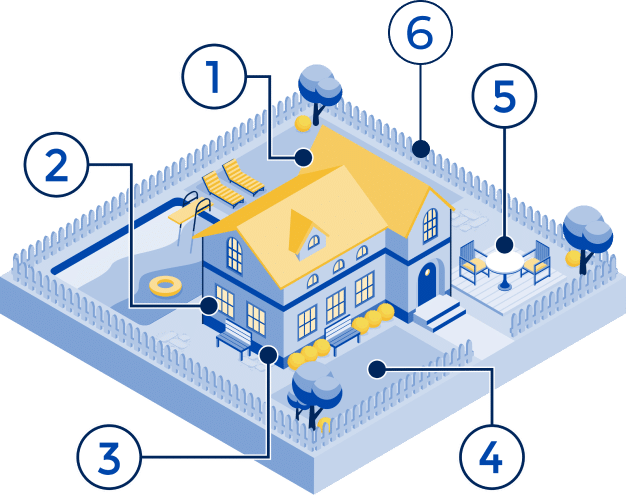
Eaves

We sweep out and knock down any honeycombs and cobwebs in the eaves up to 35 ft.

Entry Points

We treat every entry point of the home on the ground level including doors, windows, and the garage.

Foundation

Also known as the “crack and crevice” treatment. Our power sprayer will seal up any open spaces along the foundation of the home, giving pests no chance of entering the home from the ground.

Yard Granule

Our technicians will walk around the perimeter of your home, spreading a granule that will sink deep into the soil, providing a 15ft barrier from the foundation into the yard.

Spot Treatment

Every house is different. If you have pests in a strange area on your property, let us know and we will service the requested area.

Fence Line Perimeter

We won't just protect your house, we'll protect your property by setting a fence line perimeter.
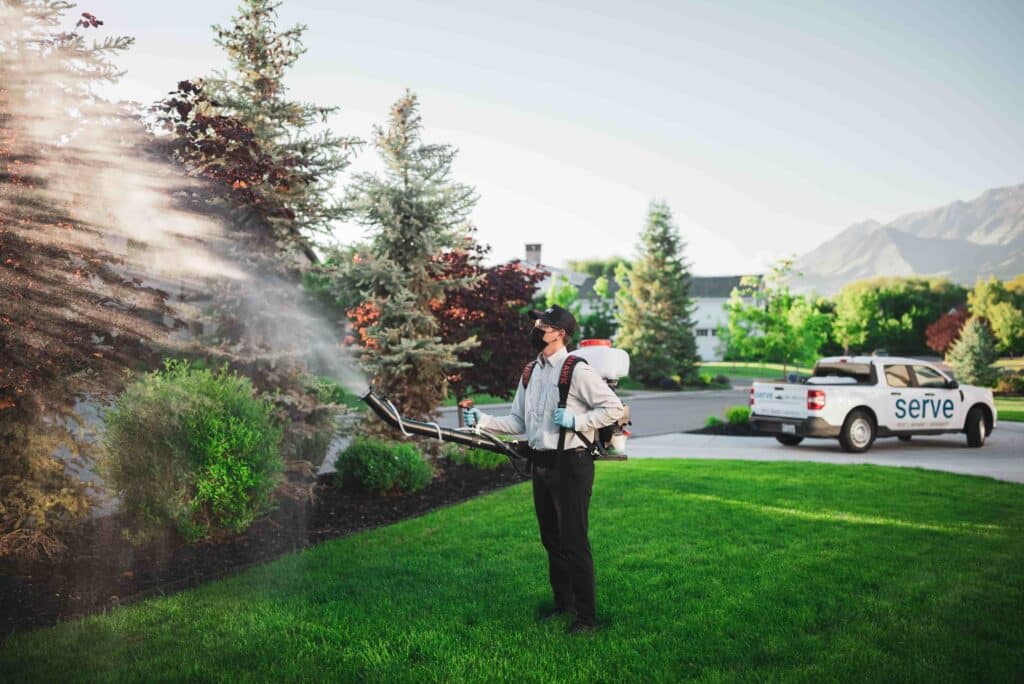
residential pest services process in utah
Pest Control in Lehi Utah

Kearns homes have history — and pests find their way in. Serve Pest Control knows every street and every solution!

Every Kearns home we service gets the same treatment: a thorough walk-through that starts in the crawl space and ends in the attic. Most of Kearns’s older homes have crawl spaces that were never fully sealed — dirt floors, exposed insulation, gaps where pipes enter the foundation. These spaces are prime habitat for moisture ants, spiders, and overwintering rodents. We seal what we can, install vapor barriers where needed, and place monitoring stations in key areas. For the main living areas, we focus on perimeter defense — sealing gaps around doors and windows, treating foundation cracks, and maintaining a chemical barrier that keeps ants and spiders from entering. Our Kearns clients appreciate that we don’t cut corners. Every crack we seal, every gap we close, means one less pest problem down the road.

Pests Commonly Found in Kearns

62aab2111b73a3c5e7905274_Group-34528
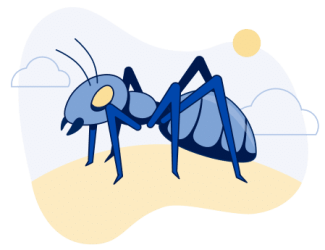
Ants

Pavement ants and odorous house ants are the most common ant species in Kearns. Pavement ants nest under driveways, sidewalks, and foundations, while odorous house ants prefer moisture-rich areas near leaky pipes and crawl spaces. Perimeter treatments with granular baits provide reliable season-long control.

62aab1817e39c847d33e4656_Group-34524
Spiders

Black widow spiders and common house spiders are frequently found in Kearns. Black widows favor the undisturbed spaces common in older homes — crawl spaces, garage corners, storage sheds, and stacked building materials. Regular web removal and sealing of garage-to-house entry points are important preventive measures.

cockroaches
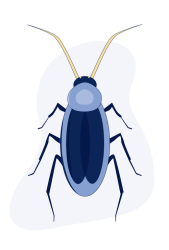
Cockroaches

German cockroaches are more prevalent in Kearns than in some other Salt Lake suburbs, due to the density of older multi-unit housing and apartment complexes. Shared walls and common plumbing create pathways between units. Coordinated treatment across affected units with gel baits and growth regulators is the most effective approach.

rodents
Rodents

Norway rats and house mice are significant concerns in Kearns. The Jordan River corridor, just east of the community, provides a dense rodent habitat that radiates into nearby neighborhoods — especially the areas near 5400 South and the river. Older homes with unsealed crawl spaces and original foundations are the most vulnerable.

Termites

Subterranean termites are present in Kearns, though at moderate levels. Homes with wood siding in contact with soil or with crawl spaces that hold moisture are at highest risk. Annual inspections and monitoring stations around the perimeter provide cost-effective protection.

bedbugs
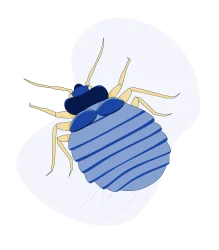
Bed Bugs

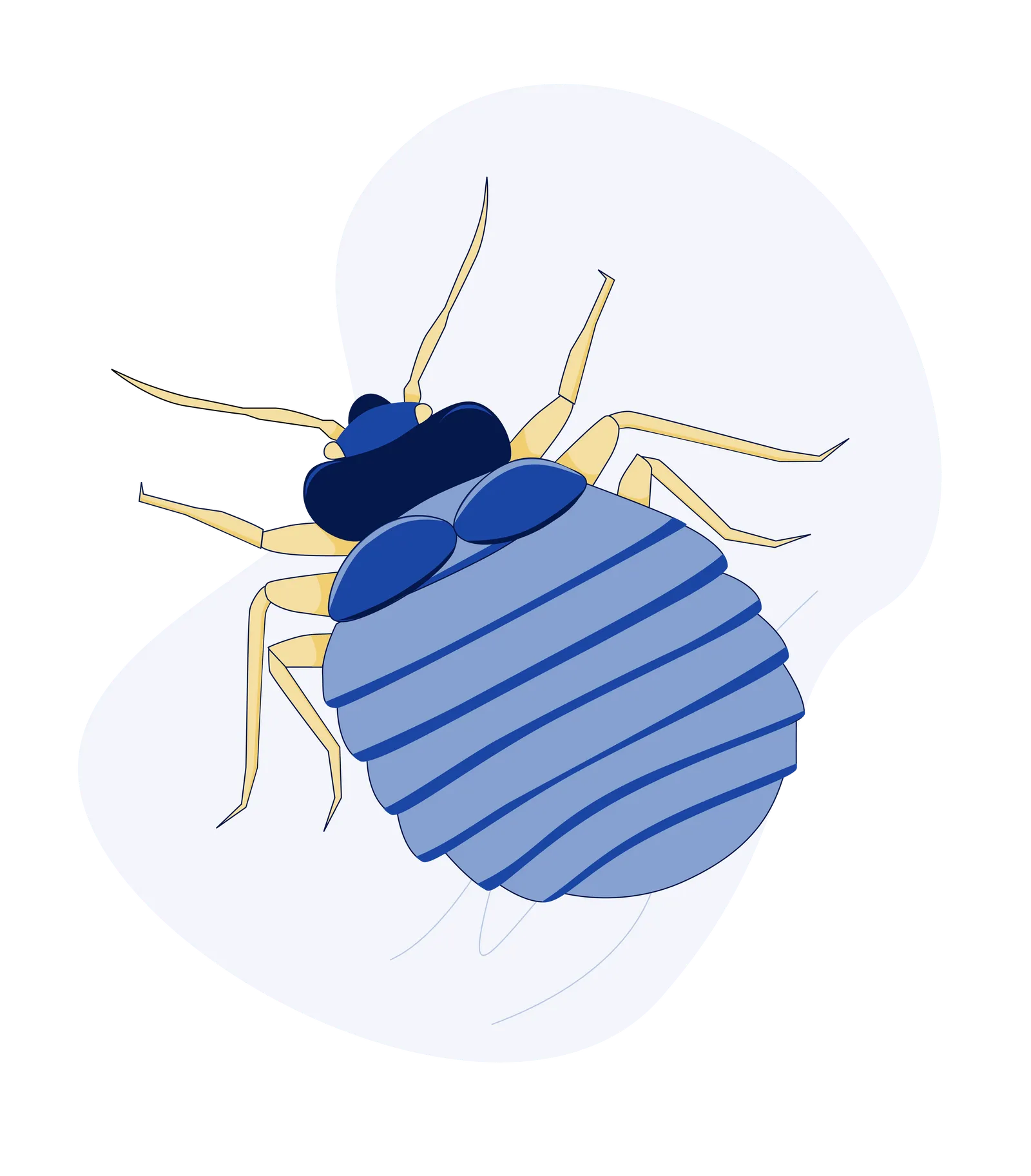
Bed bugs in Kearns are most commonly reported in multi-unit housing and through secondhand furniture. The density of Kearns’s apartment complexes means bed bugs can spread quickly between units if not caught early. We offer comprehensive inspections and heat treatment for confirmed cases.

Trusted Pest Control for Kearns Families

Kearns has been home to hardworking families for generations, and we treat every home with the same care we’d give our own. We know that for most families, pest control is an expense they shouldn’t have to worry about — and our job is to make it one less thing on your mind.

Our approach in Kearns is practical and thorough. We don’t sell services you don’t need, but we also don’t skip the steps that matter. When we find a crawl space that needs sealing, we show it to you and explain why. When we see a foundation gap that’s letting mice in, we fix it on the spot. Our goal is to solve the problem, not to create a recurring bill.

We also understand that Kearns families have busy schedules. We offer early morning and evening appointments so we don’t interrupt your workday or your family time. We call before we arrive, we’re respectful of your property, and we clean up completely before we leave.

Kearns is a community built on hard work and doing things right. That’s exactly the standard Serve Pest Control brings to every home we service.

FAQs

My Kearns home has a crawl space from the 1960s. Is that a pest risk?
Yes — original crawl spaces from the 1950s through 1970s are one of the biggest pest risks in Kearns. Dirt floors with no vapor barrier create constant moisture that attracts moisture ants, silverfish, earwigs, and spiders. Open foundation vents allow rodents easy access beneath the home. And gaps where plumbing enters the foundation provide direct pathways for mice into the living areas. We can seal most of these issues in a single visit, often with a significant and immediate reduction in pest activity. Installing a vapor barrier also reduces moisture, which improves air quality in the home above.
Is the Jordan River really a source of pest problems for Kearns homes?
Yes — the Jordan River corridor is a major rodent habitat. The brush, water, and cover along the river support dense populations of Norway rats and mice. During fall and early winter, these rodents fan out from the river into nearby residential areas. Homes within three to four blocks of the river see the highest pressure. If you live near the Jordan River in Kearns, we strongly recommend quarterly exterior rodent bait station maintenance plus a thorough fall exclusion inspection. It’s the most effective way to prevent the seasonal migration from reaching your home.
What's the best way to keep cockroaches out of a Kearns apartment or duplex?
In attached housing, cockroach control requires cooperation. Start with sanitation — keep kitchens clean, seal food in containers, and take out trash regularly. Then seal gaps around pipes under sinks and behind appliances, where cockroaches travel between units. Finally, request that neighboring units also be treated if cockroaches are present in the building, because treating only one unit in a shared-wall building will not eliminate the problem. We can coordinate with property managers to treat multiple units simultaneously, which is the only way to achieve long-term control in multi-unit housing.
How often should a typical Kearns home schedule pest control?
For most Kearns homes — older single-story homes on slab or with crawl spaces — we recommend quarterly service. Spring and summer treatments focus on ants, spiders, and perimeter defense. Fall treatment is critical for rodent exclusion before winter sets in. Winter service monitors for overwintering pests and checks rodent bait stations. Homes near the Jordan River or properties with known crawl space issues may benefit from more frequent rodent monitoring during September through November.

Still have questions?