
Pest Control Millcreek

Pest Control in Millcreek Utah

Millcreek became Utah’s newest city in 2017, but the neighborhoods here have been established for generations. The city stretches from the I-215 corridor all the way up into the Mill Creek Canyon foothills, and that range of elevation and housing creates a remarkably diverse pest environment. A home on the valley floor near 3300 South faces different pressures than a property perched on the bench near the canyon mouth. Mill Creek itself — the stream that runs through the heart of the city — creates a green corridor that funnels wildlife and rodents down from the canyon into residential areas. Serve Pest Control has treated Millcreek homes for years, long before it was officially a city. We know the mid-century ramblers in the flatlands, the canyon-side custom homes on the bench, and everything in between.

Process for Millcreek Homes

Eaves

We sweep out and knock down any honeycombs and cobwebs in the eaves up to 35 ft.

Entry Points

We treat every entry point of the home on the ground level including doors, windows, and the garage.

Foundation

Also known as the “crack and crevice” treatment. Our power sprayer will seal up any open spaces along the foundation of the home, giving pests no chance of entering the home from the ground.

Yard Granule

Our technicians will walk around the perimeter of your home, spreading a granule that will sink deep into the soil, providing a 15ft barrier from the foundation into the yard.

Spot Treatment

Every house is different. If you have pests in a strange area on your property, let us know and we will service the requested area.

Fence Line Perimeter

We won't just protect your house, we'll protect your property by setting a fence line perimeter.

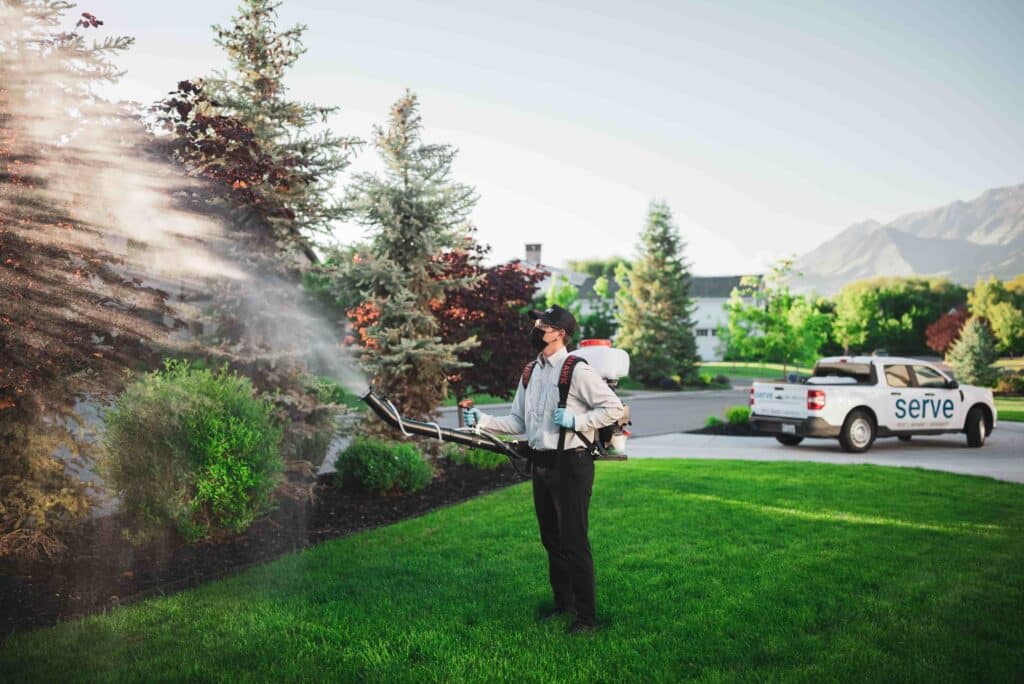
residential pest services process in utah
Pest Control in Lehi Utah

Millcreek is new as a city but deep-rooted in its homes. Serve Pest Control knows every one of its neighborhoods!

Treating a Millcreek home starts with location, location, location. A house near the mouth of Mill Creek Canyon needs heavy rodent exclusion and wildlife-proofing because the canyon drops deer mice, squirrels, and raccoons right into the neighborhoods below. A home in the flatter areas of Millcreek — near 3900 South, for example — faces more classic suburban ant and spider issues with less canyon pressure. We inspect each property based on its specific challenges. For bench properties, we focus on foundation sealing, attic vent screening, and rodent baiting. For valley-floor homes, we emphasize perimeter ant treatment, spider harborage reduction, and sealing of ground-level entry points. Our Millcreek service is customized to your specific part of this diverse city.

Pests Commonly Found in Millcreek

62aab2111b73a3c5e7905274_Group-34528
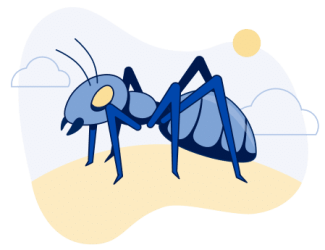
Ants

Pavement ants and moisture ants are common throughout Millcreek. Moisture ants are especially prevalent in the older homes near the creek and on the bench where mature landscaping and irrigation create consistently damp conditions near foundations. Correcting drainage issues and applying targeted baits are the most effective controls.

62aab1817e39c847d33e4656_Group-34524
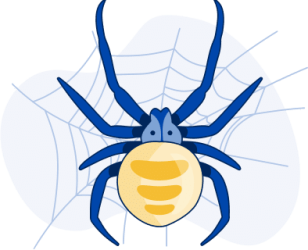
Spiders

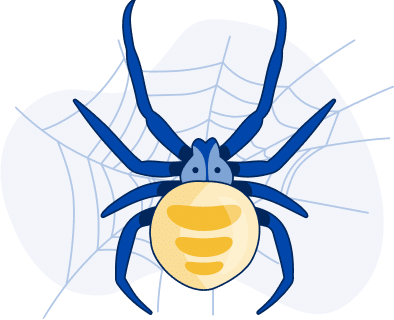
Black widow spiders and hobo spiders are very common in Millcreek. Black widows thrive in the rock walls, stacked wood, and undisturbed garages that are common across the city’s wide variety of housing. Hobo spiders are frequently found at ground level near foundation plantings. Sealing ground-level gaps and reducing clutter in garages and basements makes a significant difference.

cockroaches
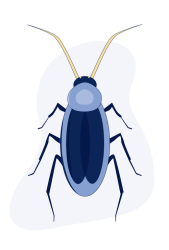
Cockroaches

German cockroaches appear in Millcreek’s older multi-unit housing and along the commercial corridors near 3300 South and Highland Drive. Shared-wall construction in older apartment buildings and duplexes allows cockroaches to spread between units. Gel baits, growth regulators, and coordinated building-wide treatment are the standard approach.

rodents
Rodents

Deer mice from Mill Creek Canyon and house mice from suburban areas are both significant issues. Properties on the east bench near the canyon face heavy deer mouse pressure every fall as rodents descend from the mountain. Homes in the flatter western areas deal more with Norway rats from the urban infrastructure. Fall exclusion is essential citywide.

Termites

Subterranean termites are active on Millcreek’s east bench, where favorable soil conditions and wood-to-ground contact are more common. Homes in the canyon-side neighborhoods should have annual termite inspections without fail. Valley-floor homes have lower risk but should still be monitored every one to two years.

bedbugs
Bed Bugs

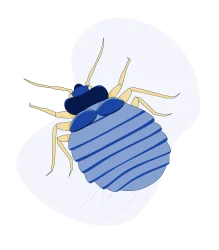
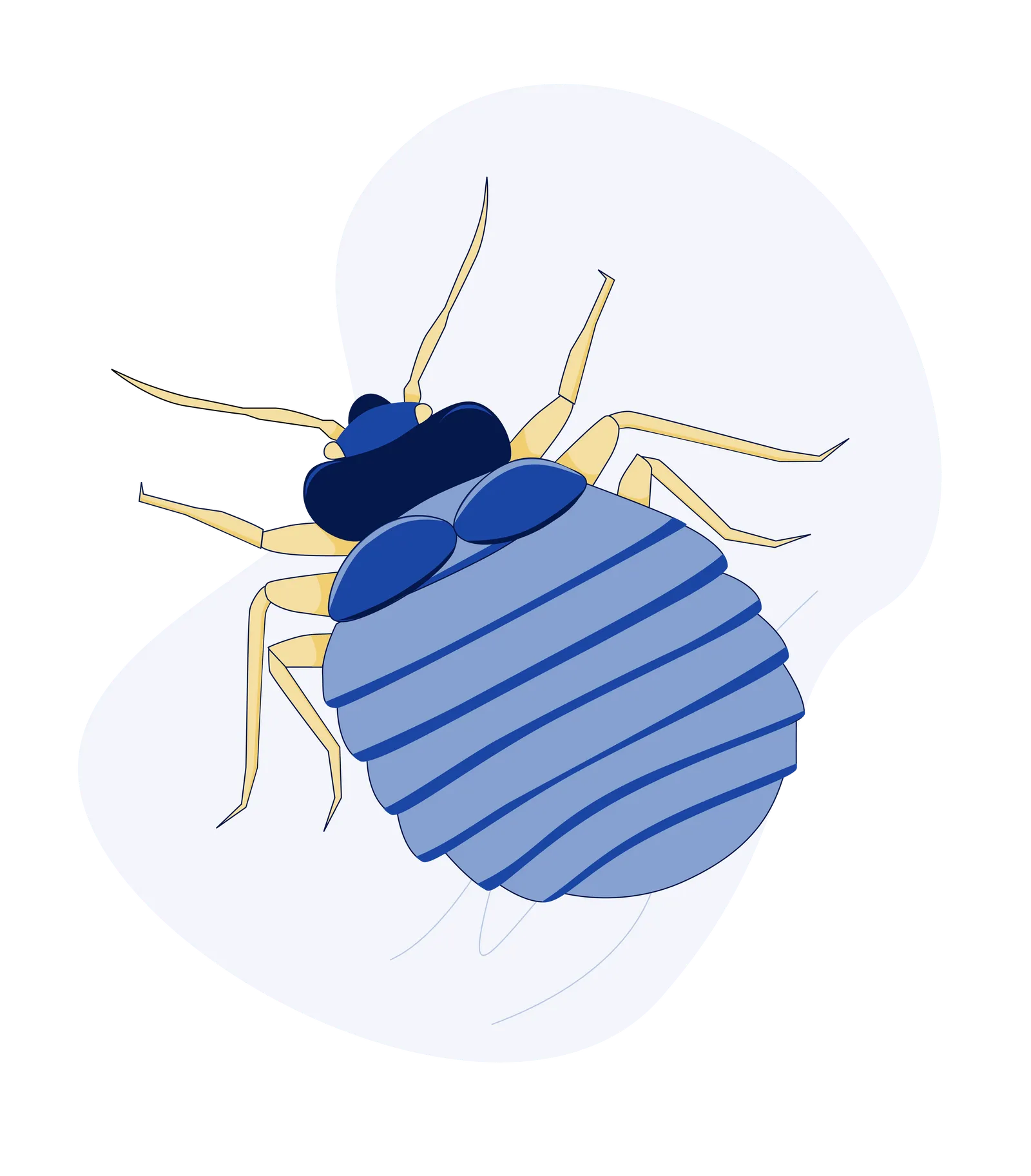
Bed bugs in Millcreek are most commonly reported through travel and multi-unit housing. The mix of older apartment buildings and newer condos along the transit corridors creates moderate exposure. We offer thorough inspections and heat treatment for confirmed cases.

Millcreek Pest Control You Can Trust

Millcreek may be Utah’s newest city, but the homes and families here have deep roots. We’ve been serving this community for years — long before incorporation — and we’ve built relationships that matter.

The thing about Millcreek is that no two blocks are exactly alike. You can have a modest 1950s rambler next to a brand-new custom home, with a canyon creek running through both backyards. That diversity makes pest control here interesting and requires us to be flexible. We don’t have a one-size-fits-all approach, because Millcreek isn’t a one-size-fits-all city.

What unites our Millcreek clients is an appreciation for thoroughness. They want someone who will actually look at their property, identify the real problems, fix them properly, and follow up. That’s what we do. We don’t rush, we don’t cut corners, and we don’t disappear after we’ve been paid.

Millcreek is a wonderful community that just became official. Serve Pest Control is proud to have been part of it all along — and to keep it pest-free for years to come.

FAQs

How does Mill Creek Canyon affect pest pressure in the neighborhoods below?
Mill Creek Canyon acts as a natural funnel. The canyon supports dense populations of deer mice, raccoons, squirrels, and other wildlife. Every fall, as temperatures drop and natural food sources decline, these animals move downslope into the residential areas at the canyon mouth — primarily the neighborhoods along 3800 South and around the canyon road. Homes within a quarter-mile of the canyon entrance see the most pressure, but the effect can be felt as far west as I-215. If you live in this zone, rodent exclusion work should be done in August, not October, because the migration starts earlier at higher elevations.
My Millcreek home was built in the 1960s. What pest issues are common for that era?
Millcreek’s mid-century homes share a few common pest vulnerabilities: (1) original wood-framed basement windows that have warped or rotted over sixty years, creating gaps around the edges; (2) crawl spaces with minimal ventilation and dirt floors that attract moisture ants and silverfish; (3) original attic vents with screening that has corroded, allowing squirrels and birds to enter; and (4) foundation gaps where the settling of the home has pulled the sill plate away from the foundation wall. We address all of these as part of our standard service for older Millcreek homes.
What's the best pest control schedule for a Millcreek home on the bench?
For bench properties in Millcreek, we recommend quarterly service with a heavy rodent focus in the third quarter (August through October). Spring and early summer are for ant and spider control. Late summer is the critical rodent exclusion window. Winter service monitors for overwintering pests and checks that rodent exclusion is holding. Bench homeowners who skip the fall rodent treatment almost always have mice issues by December — it’s that predictable in the canyon-adjacent neighborhoods.
I live near one of Millcreek's creek corridors. What extra precautions should I take?
Properties along Mill Creek and its tributaries should take three extra steps: (1) install rodent bait stations along the property edge facing the creek and maintain them year-round; (2) seal foundation gaps more aggressively than you would on a typical lot — rodents from the creek corridor are persistent and will test every potential entry point; and (3) keep vegetation trimmed back at least three feet from the foundation along the creek side, because overgrown plants provide cover for rodents approaching the house.

Still have questions?