Pest Control in Sandy Utah

Sandy is one of the most varied cities in Salt Lake Valley. The east side rises into the Wasatch foothills with million-dollar homes overlooking the valley. The west side descends to the Jordan River floodplain with established family neighborhoods. In between lies a city of tremendous diversity — mid-century ramblers, modern subdivisions, townhomes, apartments, and commercial corridors. That range means pest pressure in Sandy varies dramatically from one address to another. A home on the east bench near Dimple Dell faces deer mice from the foothills and black widows in the native landscaping. A home on the west side near the Jordan River deals with Norway rats and field mice. Serve Pest Control has been treating Sandy homes for years, and we understand that the right treatment depends entirely on which Sandy you’re in.

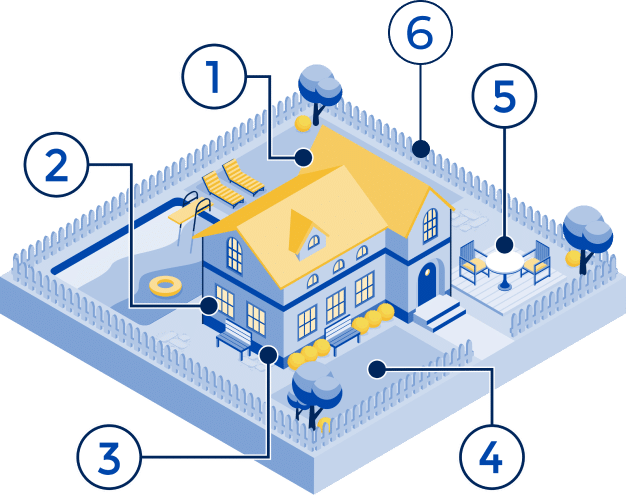
Process for Sandy Homes

Eaves

We sweep out and knock down any honeycombs and cobwebs in the eaves up to 35 ft.

Entry Points

We treat every entry point of the home on the ground level including doors, windows, and the garage.

Foundation

Also known as the “crack and crevice” treatment. Our power sprayer will seal up any open spaces along the foundation of the home, giving pests no chance of entering the home from the ground.

Yard Granule

Our technicians will walk around the perimeter of your home, spreading a granule that will sink deep into the soil, providing a 15ft barrier from the foundation into the yard.

Spot Treatment

Every house is different. If you have pests in a strange area on your property, let us know and we will service the requested area.

Fence Line Perimeter

We won't just protect your house, we'll protect your property by setting a fence line perimeter.
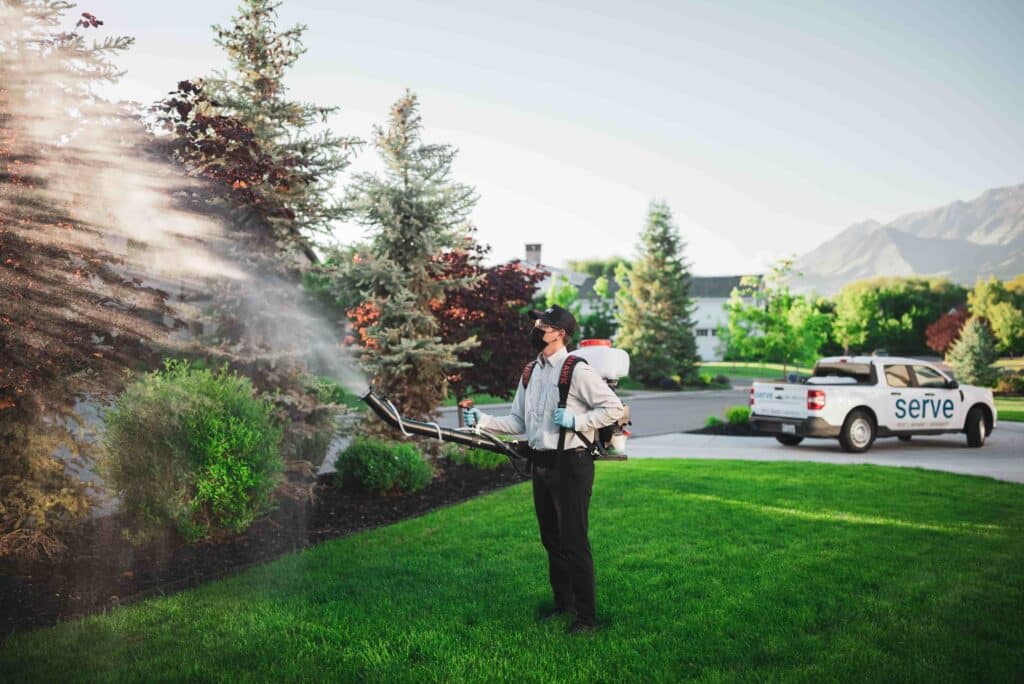
residential pest services process in utah
Pest Control in Lehi Utah

Sandy stretches from the mountains to the river — and every home is different. Serve Pest Control treats each one right!

Our Sandy service begins with a conversation about your specific part of the city. Bench properties near the canyon get an aggressive rodent exclusion protocol with foundation sealing, attic vent screening, and year-round bait station maintenance. Valley-floor homes in Sandy’s central and western neighborhoods get comprehensive perimeter treatment for ants and spiders, plus rodent monitoring near the Jordan River corridor. For Sandy’s older mid-century homes near 9000 South and State Street, we add crawl space evaluation and foundation gap sealing. For new developments on the east bench, we focus on soil-displacement issues — ants and rodents that were living on the land before construction and are now seeking shelter in brand-new homes. Every plan is built around your specific property, not a template.

Pests Commonly Found in Sandy

62aab2111b73a3c5e7905274_Group-34528
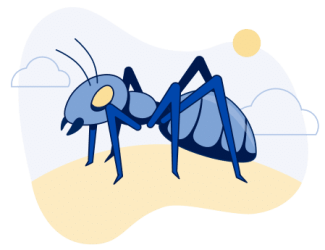
Ants

Pavement ants and thatching ants are common throughout Sandy. Thatching ants are a particular issue on the east bench where native soils and undisturbed lots allow large colonies to develop. On the west side, pavement ants dominate the irrigated lawns and suburban landscapes. Granular baits and perimeter sprays manage both effectively.

62aab1817e39c847d33e4656_Group-34524
Spiders

Black widow spiders are very common across all of Sandy. They thrive in the native rock landscaping on the east bench and in the garages and sheds of older neighborhoods. Hobo spiders are also widespread at ground level near foundations. Regular web removal, crack sealing, and harborage reduction are essential across the entire city.

cockroaches
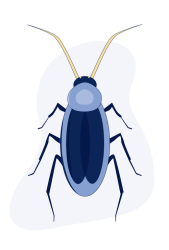
Cockroaches

German cockroaches are found in Sandy’s older apartment buildings and along the commercial corridors, particularly near State Street and 9000 South. Multi-unit housing with shared walls creates conditions for cockroach spread. Coordinated building-wide treatment with gel baits and growth regulators is the standard approach.

rodents
Rodents

Deer mice from the Wasatch foothills and Norway rats from the Jordan River corridor are both significant issues in Sandy — but in very different parts of the city. East bench homes face deer mice descending from Dimple Dell and the canyon areas every fall. West side homes near the river battle Norway rats. Fall exclusion is critical citywide, but the target species varies by location.

Termites

Subterranean termites are a real concern on Sandy’s east bench, where favorable soil conditions and wood-to-ground contact are common. The foothills homes with wood siding, decks, and landscaping that retains soil moisture are at highest risk. Annual termite inspections are strongly recommended for east bench properties.

bedbugs
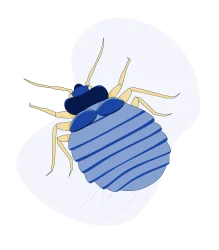
Bed Bugs

Bed bugs in Sandy are reported through multi-unit housing, hotels along the commercial corridors, and travel. The city’s size and mix of housing types means moderate to high exposure. We offer comprehensive inspections with K-9 detection for larger properties and fast heat treatment for confirmed cases.

Sandy's Home Pest Control Specialists

Sandy is one of the valley’s largest and most diverse cities, and we’re proud to serve it. From the foothills to the river, we help keep Sandy homes pest-free.

What sets our Sandy service apart is our understanding of how different this city is from one end to the other. A technician who treats a home on the east bench and a home on the west side on the same day is working in two completely different pest environments. Our team is trained to recognize the differences and adjust accordingly.

We also know that Sandy families have been with us for years, and we value that trust. We earn it by showing up on time, communicating clearly, doing thorough work, and following up when needed. There are no shortcuts when it comes to protecting a family’s home.

Whether you’re on the bench, near the river, or somewhere in between, Serve Pest Control has the experience and the expertise to handle whatever pests Sandy throws your way.

FAQs

I live on the east bench in Sandy near Dimple Dell. What pest issues should I expect?
East bench properties near Dimple Dell Regional Park and the foothills face specific challenges: deer mice migration every fall without fail; black widows in the native rock landscaping that’s common in this area; carpenter ants in wood features like decks, fences, and wood piles; and occasional raccoon or skunk activity from the open space. We recommend quarterly service with a heavy rodent focus in August and September, plus proactive black widow harborage treatment in the spring and summer. Sealing foundation gaps is especially important for bench homes because the mice will find any opening.
What's different about pest control for Sandy's older mid-century homes?
Sandy’s mid-century homes — primarily built in the 1960s and 70s — share common vulnerabilities: original concrete slab foundations that have settled and cracked over time; crawl spaces with minimal insulation and vapor barriers; original window frames that have warped, creating gaps; and garage-to-house entry points that were never adequately sealed. Homes in the central Sandy neighborhoods from this era benefit enormously from a comprehensive sealing service that closes these decades-old gaps. Most of our mid-century clients see a dramatic reduction in pest activity after this initial sealing work.
What pests are most common in Sandy's commercial and multi-unit areas near South Towne?
The commercial corridor around South Towne Center and the adjacent apartment complexes face unique pressures. Restaurants and food service businesses attract cockroaches and rodents. High-density apartment buildings with shared walls allow cockroaches and bed bugs to spread between units. The extensive underground utility infrastructure around the mall supports Norway rat populations. If you live in a multi-unit building near this corridor, we recommend year-round pest service with proactive monitoring, not reactive treatment after problems appear.
How do I prepare my Sandy home for the fall rodent migration?
Start in August — earlier than you think. Walk your entire foundation and seal every gap with copper mesh and exterior-grade caulk. Check and replace weather stripping on all exterior doors, especially the garage door. Make sure attic vents have intact, heavy-gauge screening — squirrels and mice can chew through standard hardware cloth. Trim vegetation back at least three feet from the foundation. Install rodent bait stations around the property perimeter. If you complete these steps by early September, you will not have mice in your home during winter. Skip this work, and you almost certainly will.

Still have questions?