Pest Control Springville

Pest Control in Springville Utah

Springville — the Art City — sits at the base of the Wasatch Range where Hobble Creek flows out of the mountains and into the valley. This historic community has a charming downtown, a proud artistic heritage, and a growing suburban footprint that extends west toward I-15 and east up the bench. Hobble Creek Canyon is the defining geographic feature from a pest perspective — it funnels deer mice and wildlife directly into the neighborhoods below every fall. The Hobble Creek corridor that runs through the city creates a green ribbon with year-round rodent populations. The mix of historic homes near Main Street, mid-century neighborhoods, and new subdivisions on the bench creates varied pest vulnerabilities. Serve Pest Control knows every part of Springville, from the canyon mouth to the west-side developments.

Process for Springville Homes

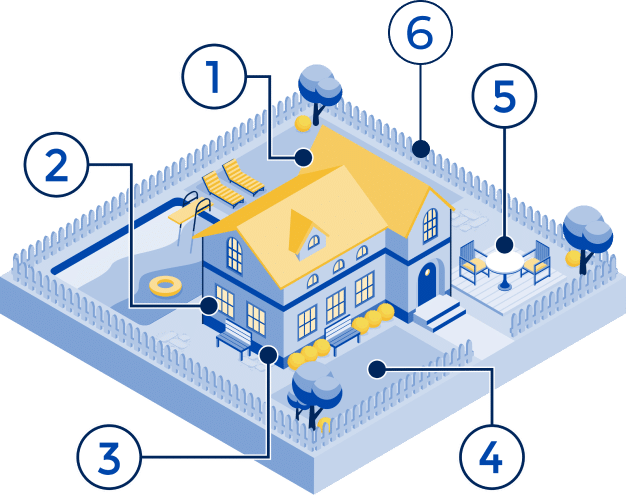
Eaves

We sweep out and knock down any honeycombs and cobwebs in the eaves up to 35 ft.

Entry Points

We treat every entry point of the home on the ground level including doors, windows, and the garage.

Foundation

Also known as the “crack and crevice” treatment. Our power sprayer will seal up any open spaces along the foundation of the home, giving pests no chance of entering the home from the ground.

Yard Granule

Our technicians will walk around the perimeter of your home, spreading a granule that will sink deep into the soil, providing a 15ft barrier from the foundation into the yard.

Spot Treatment

Every house is different. If you have pests in a strange area on your property, let us know and we will service the requested area.

Fence Line Perimeter

We won't just protect your house, we'll protect your property by setting a fence line perimeter.
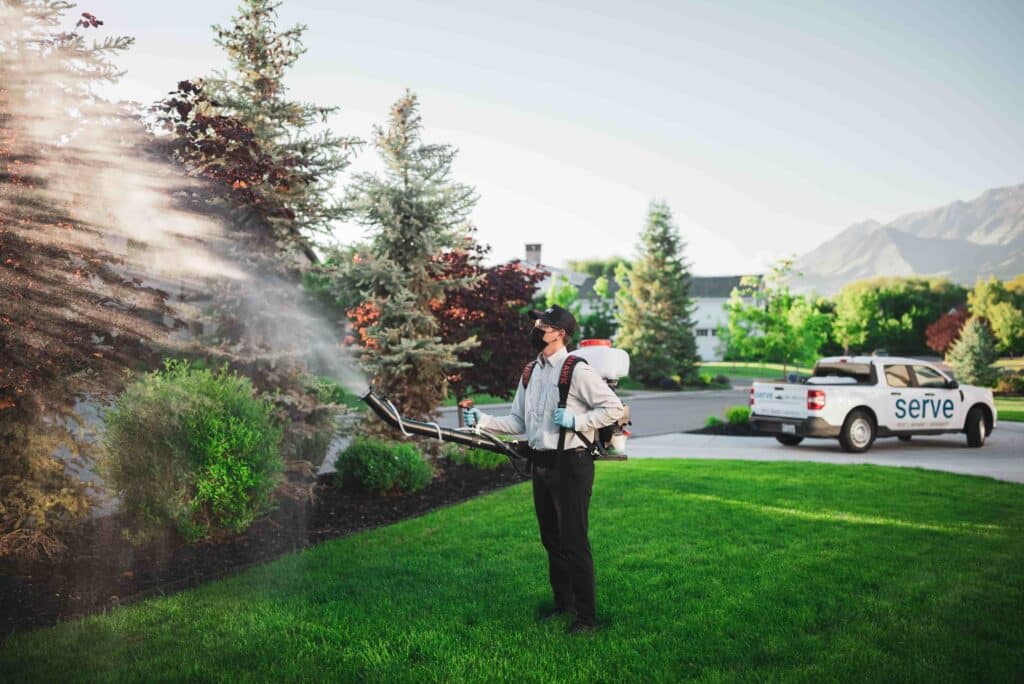
residential pest services process in utah
Pest Control in Lehi Utah

Springville is the Art City — and the pests here are a mixed canvas. Serve Pest Control protects every home!

Our Springville service is tailored to the property’s specific location. Homes near Hobble Creek Canyon get aggressive rodent exclusion every August and September. Properties along the Hobble Creek corridor get year-round bait station maintenance and foundation sealing. Historic homes near downtown Main Street get comprehensive foundation evaluation and crawl space attention. New subdivisions on the west side get soil-displacement pest management starting from move-in. For Springville’s horse properties and larger lots, we include barns and outbuildings at no extra charge. Our technicians know the Hobble Creek rodent patterns, the canyon migration timing, and the specific needs of Springville’s diverse neighborhoods.

Pests Commonly Found in Springville

62aab2111b73a3c5e7905274_Group-34528
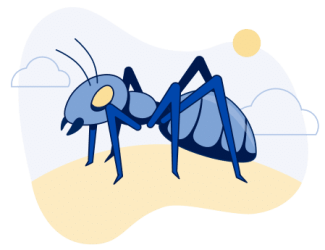
Ants

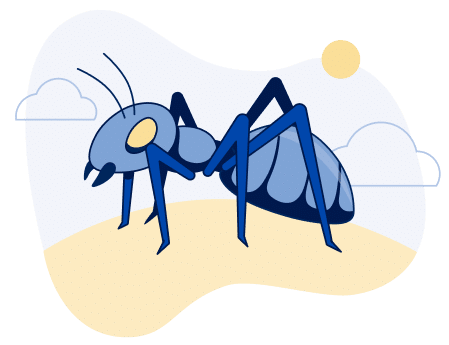
Pavement ants and thatching ants are common throughout Springville. Thatching ants are active in lawns on the bench and in new subdivisions built on former field land. Moisture ants are found near the Hobble Creek corridor and in areas where hillside runoff keeps the soil damp near foundations.

62aab1817e39c847d33e4656_Group-34524
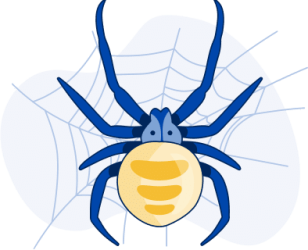
Spiders

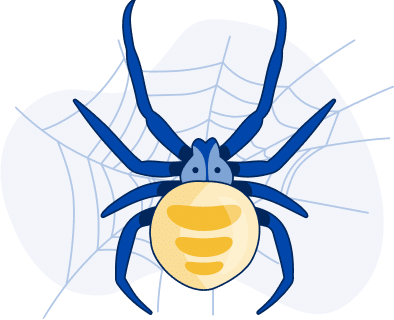
Black widow spiders are very common throughout Springville — in historic home basements, new garages, landscaping rock, and outbuildings. The Hobble Creek corridor adds additional spider habitat. Hobo spiders enter at ground level. Sealing foundation gaps and regular web removal are essential preventive measures.

cockroaches
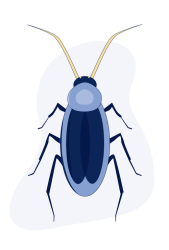
Cockroaches

German cockroaches are uncommon in Springville’s primarily single-family residential character but can appear in multi-unit housing near downtown and through travel introductions. Early detection with glue traps prevents small issues from growing.

rodents
Rodents

Deer mice from Hobble Creek Canyon and Norway rats from the Hobble Creek corridor create significant rodent pressure across Springville. The canyon mice descend every fall, while the creek supports year-round rodent populations. Fall exclusion combined with creek-side year-round baiting is essential for many Springville properties.

Termites

Subterranean termites are active in Springville’s foothills neighborhoods where well-drained soil and favorable conditions exist. Homes with wood siding, decks, or landscaping timbers touching the ground are at highest risk. Annual termite inspections are recommended for bench properties.

bedbugs
Bed Bugs

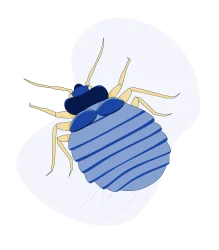
Bed bugs in Springville come through travel, guests, and multi-unit housing. The city’s growing population and central location mean steady exposure. We offer thorough inspections and fast heat treatment for confirmed cases.

Springville's Trusted Pest Control Team

Springville is a city with real character — the art community, the historic downtown, the canyon access, and the quiet family neighborhoods. We love serving this community and have built lasting relationships here.

Hobble Creek Canyon is the defining feature from a pest control perspective. Every fall, the deer mice that live in the canyon’s oak and maple forests begin their downhill migration into Springville’s neighborhoods. It happens like clockwork. Our Springville clients who book fall exclusion in August have a quiet winter. Those who wait are calling us in November.

The Hobble Creek corridor adds year-round rodent pressure for properties along its path. The water, vegetation, and cover support rodent populations that don’t take a seasonal break.

What our Springville clients appreciate most is our thoroughness. We walk every corner of the property, seal every gap, and follow up to make sure the solution holds. That attention to detail keeps families with us for years.

Springville is a special community — the Art City, with all the character that name implies. Serve Pest Control is proud to help keep it pest-free.

FAQs

My Springville home is near Hobble Creek. What extra pest measures should I take?
Properties along Hobble Creek need year-round rodent management. Install exterior rodent bait stations around the entire property perimeter and maintain them every quarter. Seal your foundation thoroughly — every gap larger than a pencil — with copper mesh. Pay special attention to the side of the house facing the creek. Keep vegetation trimmed back at least three feet from the foundation. Consider adding a row of bait stations along the property edge closest to the creek. The creek corridor supports rodents year-round, so seasonal treatment won’t be sufficient.
How do I prepare for the fall rodent migration from Hobble Creek Canyon?
Start in August. The deer mice in Hobble Creek Canyon begin their downhill migration before the first cold snap. Seal every foundation gap with copper mesh and exterior caulk. Check attic vents — replace any with torn screening. Install door sweeps on all exterior doors, especially garage service doors. Place rodent bait stations around the property perimeter at 30-foot intervals, with extra stations on the side facing the canyon. Complete this work by early September. Homes near the canyon that follow this schedule rarely have mice indoors during winter.
I own a historic home near Main Street in Springville. What pest issues come with that?
Springville’s historic homes near Main Street share common vulnerabilities with other older properties in Utah County: foundations that have settled and developed cracks over a century or more; original wood window frames that have warped; basements or crawl spaces that were never fully sealed; mature landscaping where tree branches touch the roofline; and the proximity to the commercial district. We address all of these during our initial service. A comprehensive foundation seal is the highest-impact intervention for these older homes.
What pest control schedule works best for Springville?
Quarterly service year-round with location-specific emphasis. Homes near Hobble Creek Canyon need the heaviest fall rodent focus. Properties along the creek corridor need year-round baiting in addition to quarterly service. New west-side subdivisions need strong first-year perimeter treatment. Historic downtown homes need thorough foundation sealing and crawl space evaluation. We build your plan around your property’s specific location and vulnerabilities.

Still have questions?